

How to detach your child from the computer and TV
Modern technologies have absorbed the rest of our lives and have become a facilitation of work, learning, and variety of games and free time - ours and our children. Internet and television are the most powerful channels of information flow and access is now very easy. Its availability has revolutionized us, and although we are aware of it, we often say enough! Common sense tells us that there are other forms of spending free time.
How do your children spend their time?
• Once he has shut down the computer, he surfs the Internet on his smartphone,
• Tablet is good when they’re bored in the car,
• In free time, it's time for TV, maybe Playstation or Xbox?
• On the hand - in case of a smartwatch,
• Mp3 works well in your ears.
Commonly and sensibly, we must be able to detach children from the abovementioned novelties and technological gadgets at certain times of the day and circumstances. Although it can be quite difficult. What can we do in this? There are some rules below how to detach your child from technology.
1. Give your child time - it's priceless. Just yes, you can distract him from technology.
◦ Why? - The child demands attention, if you focus on it, it will feel important. Sit next to, be with your child, get interested in what he/she did today, learn what, learn about little things and join in with his fun, even the multimedia one, and soon you will change it to another one.
2. Bet on activity and fun! Children love it! Walk, bike, rollerblading, or maybe fun in the wild west or the ball of princesses?
◦ That's it! Feel like a child and join the strangest games that bring you closer. The child will certainly choose the perspective of common madness rather than boring and static watching cartoons.
3. Show your joy from the fact that you spend time with your child!
◦ The child senses insincerity and appreciates authentic manifestations of behavior. Just allow yourself to spend time with your child. A pile of laundry, a two-course dinner with an appetizer and documentation files will wait for 30 minutes and certainly the world will not collapse. The joy of shared moments is the greatest happiness for the child.
4. Talk! As much as possible, honestly and truly - simply.
◦ Conversation is a daily close meeting. Discuss on various topics, ask about your child's opinions in various areas and matters.
5. Teach the child that time spent together is priceless.
◦ This is the most valuable thing you can give your child - your time. Let the child see that on a free Saturday, you prefer to rolerskate with him or go for a picnic with the whole family, instead of spending the afternoon alone in a shopping mall.
6. Challenge? A day without new technologies?
◦ Children enjoy such experiments but we have to play with them.
◦ A family trip with phones off, no computers, tablets and TV can be a fantastic experience.
7. Bet on the family and set a good example! Do not expect changes if you cannot detach yourself from the screen and the phone or TV.
◦ No matter what you are working on, your child will follow your example. Another season of your favorite series? Hours spent in front of the TV screen, we teach that our children.
8. Put the child in the role of an expert in technological innovations. Show him your appreciation as part of positive actions made with the use of a computer.
◦ Praise the choice of a television program or good production - give your child good directions. It will be information for the child, in which directions it is worth moving on the level of new technologies, and for you the opportunity to learn about this world from the inside. If you appreciate the effort put in it, your child will certainly invite you again.
9. Everything is for people, but moderation and common sense are useful always and everywhere.
We will appreciate the fact that our children grow up in the 21st century, full of technological novelties, extra gadgets and great devices. Let's not forget, however, what is family warmth, love and closeness and the warmth of everyday life, which we cannot find on the screens of any devices available today. If we are afraid of a competitor and cannot detach the child from modern technologies, let us try to implement the principle - more ourselves. Even today give your child something more valuable than the media offer - time, attention, interest, warmth and love. The child will always choose what is closer to him.
Bibliography: Myśliwiec K. (2014), Współczesne technologie informacyjne źródłem przemian zintegrowanej edukacji wczesnoszkolnej [w:] Edukacja – technika – informatyka, red. W. Walat, W. Lib, Rzeszów. Uniwersytet Rzeszowski.
Jegier A. (2016), Czas wolny małych dzieci w świecie realnym i wirtualnym. Engram

Coach, Mentor? - How (not) to motivate children?
"Motivation" entered into the search engine gives almost 10 million results. No wonder - it finally stands by all actions. Skillfully used knowledge about it may encourage you to take or give up activity. How to help your child manage their own motivation resources and not to make them dependent on prizes?
Motivation has mainly two faces:
• External - is associated with the expectation of reward for their actions - going to work is motivated by a salary, drawing in a kindergarten - despite the honest reluctance to paint with paints - can end with a good assessment or praise from favorite teacher.
• Internal - the effort is made not because it leads to a tangible effect, but to the pleasure of doing something and the internal reward (joy, satisfaction).
Modern theories of motivation suggest that both types can co-exist in different proportions - this is important information in the context of understanding children's behavior.
Unexpected change of places
Ola, a lover of evenings spent with a brush and paints, starts getting a few zlotys from her parents for each picture. She likes this layout and starts working at a dizzying pace, producing several drawings every day. Parents after some time forget about rewarding the artistic efforts of their daughter and stop giving her money. Shortly after that, Ola leaves her painting corner and becomes interested in playing hockey. What happened? It would seem that the girl's motivation has disappeared. It did not happen, it just changed - from internal to external. And external motivation depends on rewards coming from the environment, not internal ones like joy. Their lack caused Ola's resignation from her beloved hobby. Classical psychology studies show that the activity for which we receive a salary ceases to occupy ourselves for pleasure. The prizes awarded for commitment and results reduce the level of internal motivation.
Acceptance, appreciation, rewarding - delete as appropriate
What positively influences internal motivation is positive feedback. Feedback on the child's activities, appreciation of his efforts and praise for commitment are a recipe for strengthening internal motivation without the risk of rewarding for rewards. Because the real willingness to act really does not need much to develop further. And what about children who do not engage in attractive or valuable activities? The need for action and development in the most popular classification of needs, the pyramid of Abraham Maslow, stands for a more important need - safety, physiological satisfaction. Taking employees away from their salary means not meeting a fundamental need, which leaves the motivation to act in the background. Similarly, it can be with children who insist that they will not brush their teeth or play with their cousins at a party - it is worth checking if they are not under stress due to unmet needs. It is worth checking out what prevents your child from becoming involved - and help him enjoy carefree action.
Bibliography
Deci, E.L., Koestner, R., Ryan, R.M. (1999). A meta-analytic review of experiments examining the effects of extrinsic rewards on intrinsic motivation. Psychological Bulletin, 125(6), 627-668.
Sekuła, Z. (2008). Motywowanie do pracy: teorie i instrumenty. Warszawa: Polskie Wydawnictwo Ekonomiczne.
Sleep hygiene - take care of a good night's sleep
A sufficient sleep is one that lasts long enough to feel it (defined in Mayo Clinic). In the US National Sleep Foundation study (2000), 65% of respondents declared that sleeping did not meet these criteria, and 50% complained of poor performance and creativity at work due to sleepiness. All these changes in overall quality and total sleep time in society are probably the result of socio-economic development - the pursuit of professional success, the priority treatment of work and the imbalance between work time and private time. Sleep deprivation is a price that many people pay for these changes because they think it is a small part of life. The effects of this price, often serious, are felt much later when it may be too late. Meanwhile, adequate sleep improves learning and problem solving. "Sleep is for the weak" this trend is slowly losing its importance, but it is still a very slight change. To achieve a balance between sleep and other spheres of life, you need to find out what is the appropriate sleep hygiene and what affects its quality. Knowledge about the hygiene of sleep turns into sleep practice, and thus improves the quality of sleep.
Sleep hygiene can be disturbed by two factors:
- irregular sleep and wakefulness schedule,
- disturbing sleep behavior and environment.
The following issues should be taken care of in order to maintain proper sleep hygiene:
1. A comfortable physical environment in which a person sleeps (bed, mattress, pillow, adequate bedding, bedroom - properly illuminated, optimal room temperature);
2. We do not do any important work before bedtime (payment of bills, learning, etc.);
3. We limit the stimulation of activity just before bedtime (e.g. playing video games or surfing the Internet);
4. We do not use substances such as tobacco, alcohol or caffeine within 4 hours before sleeping;
5. We do not plan anything in bed;
6. We do not eat in bed;
7. We do not do tiring exercises within 1 hour before going to sleep;
8. We are not stressed out, furious, upset.
It is worth taking these few points regarding sleep hygiene to heart and try to implement them. This way we increase our effectiveness and give a good example to children that sleep is important at every stage of human life.
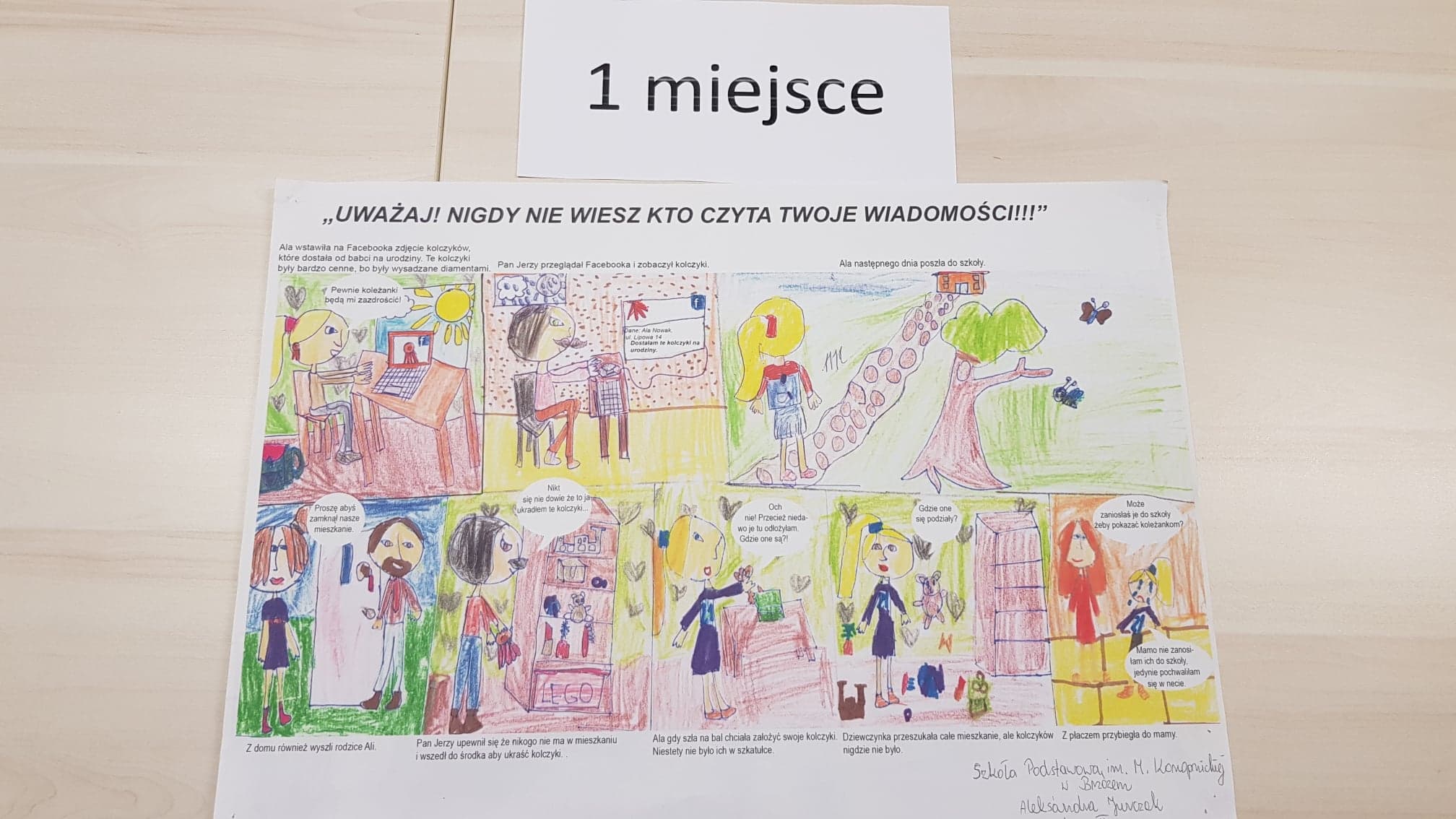
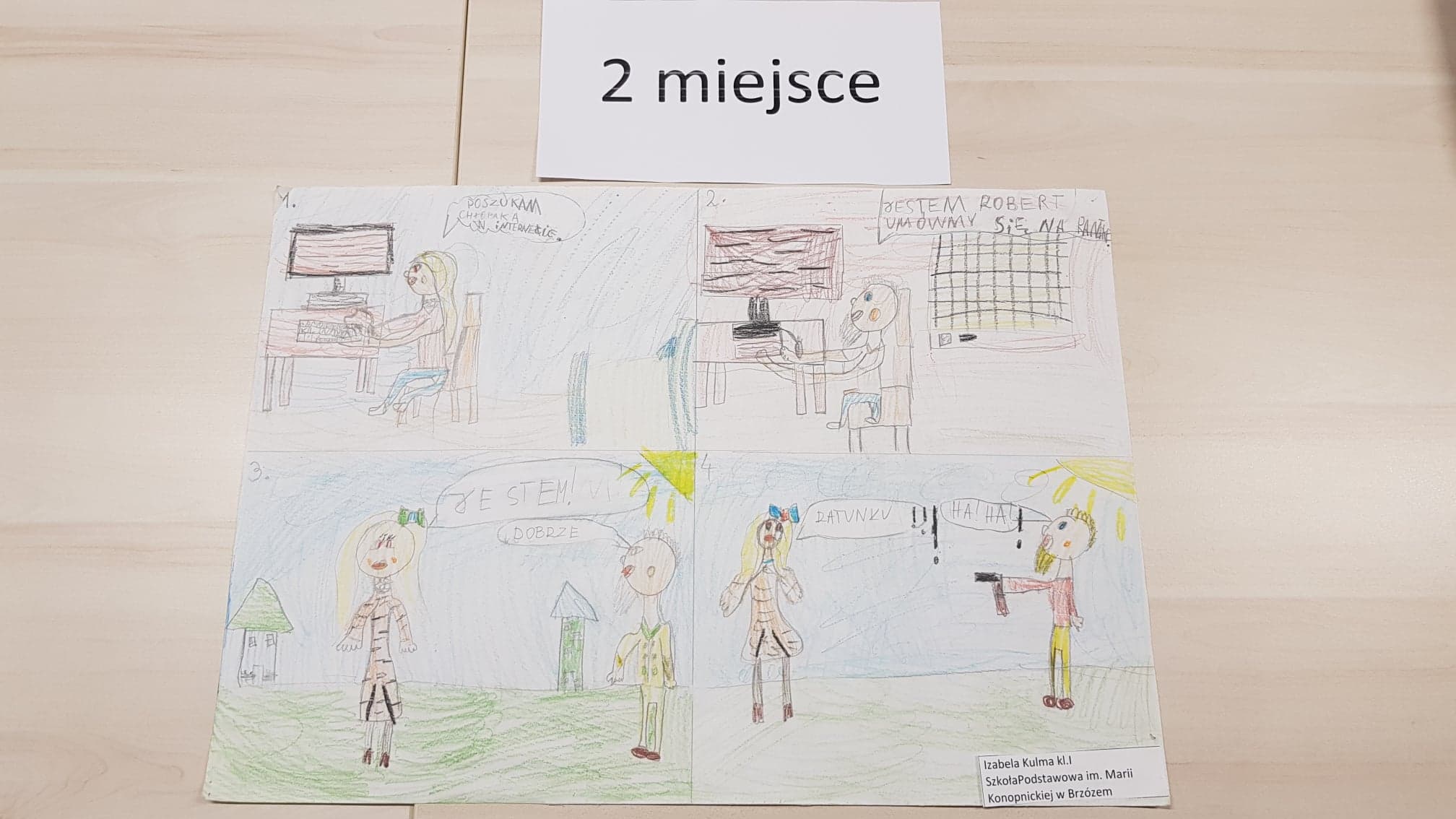
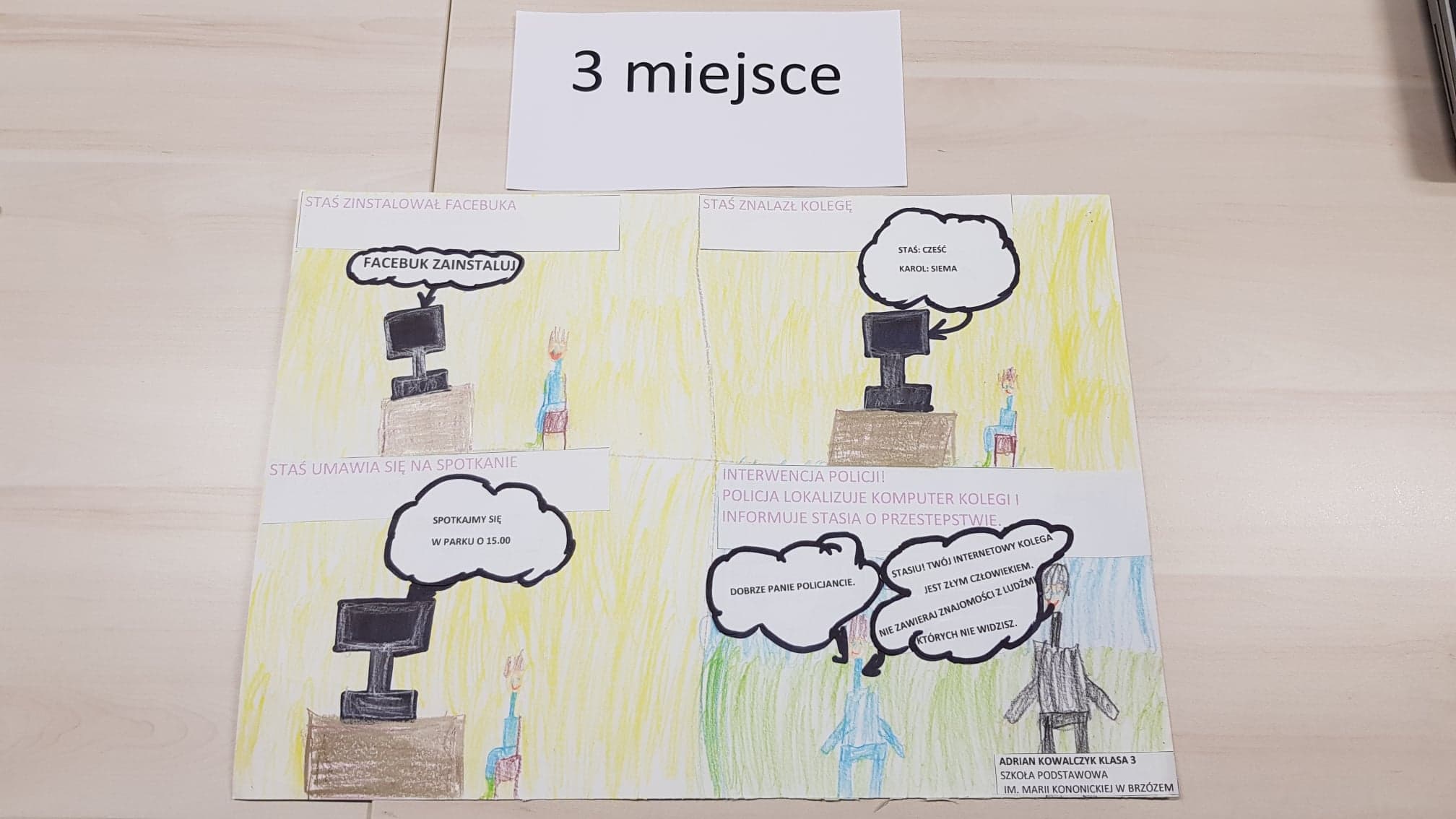
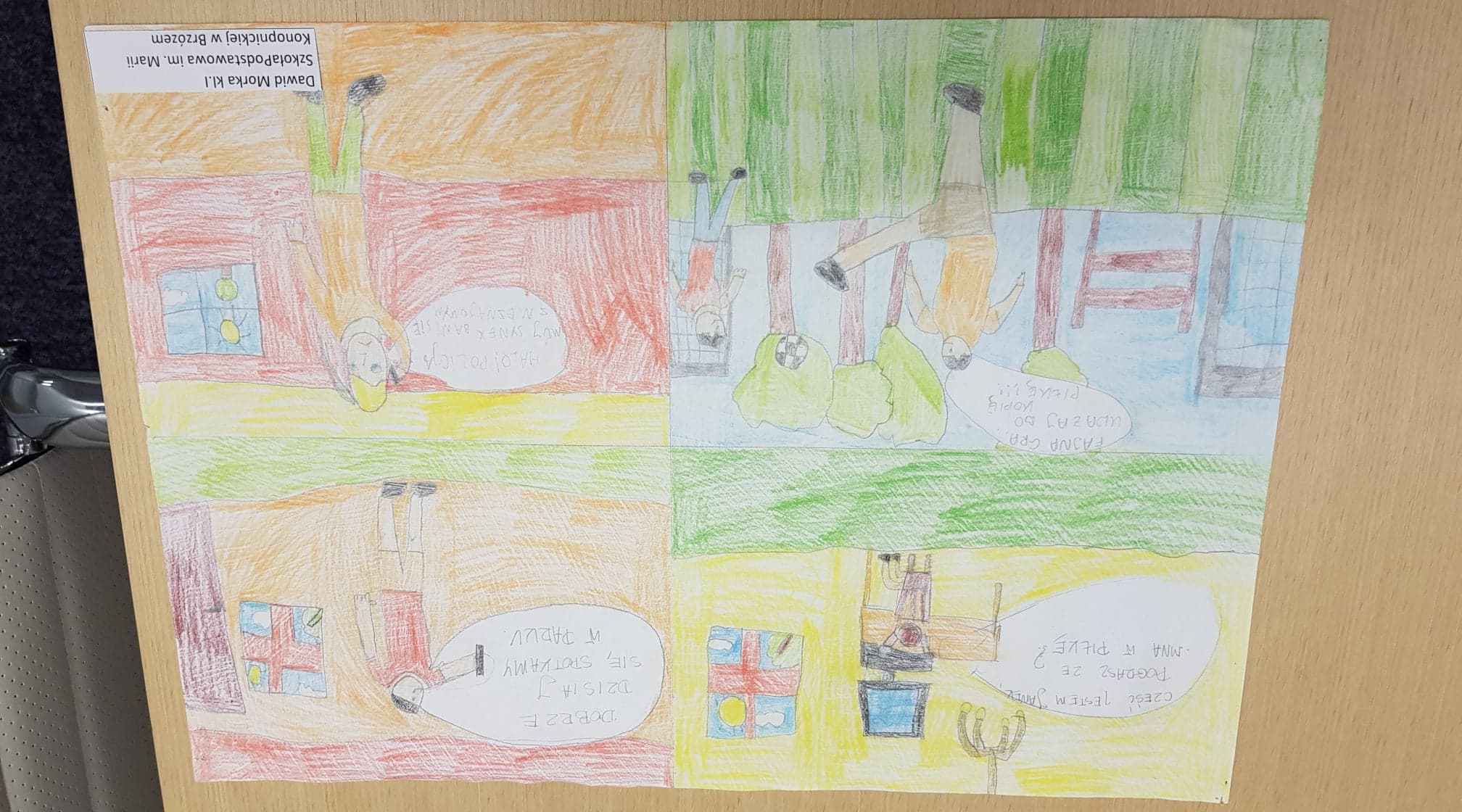
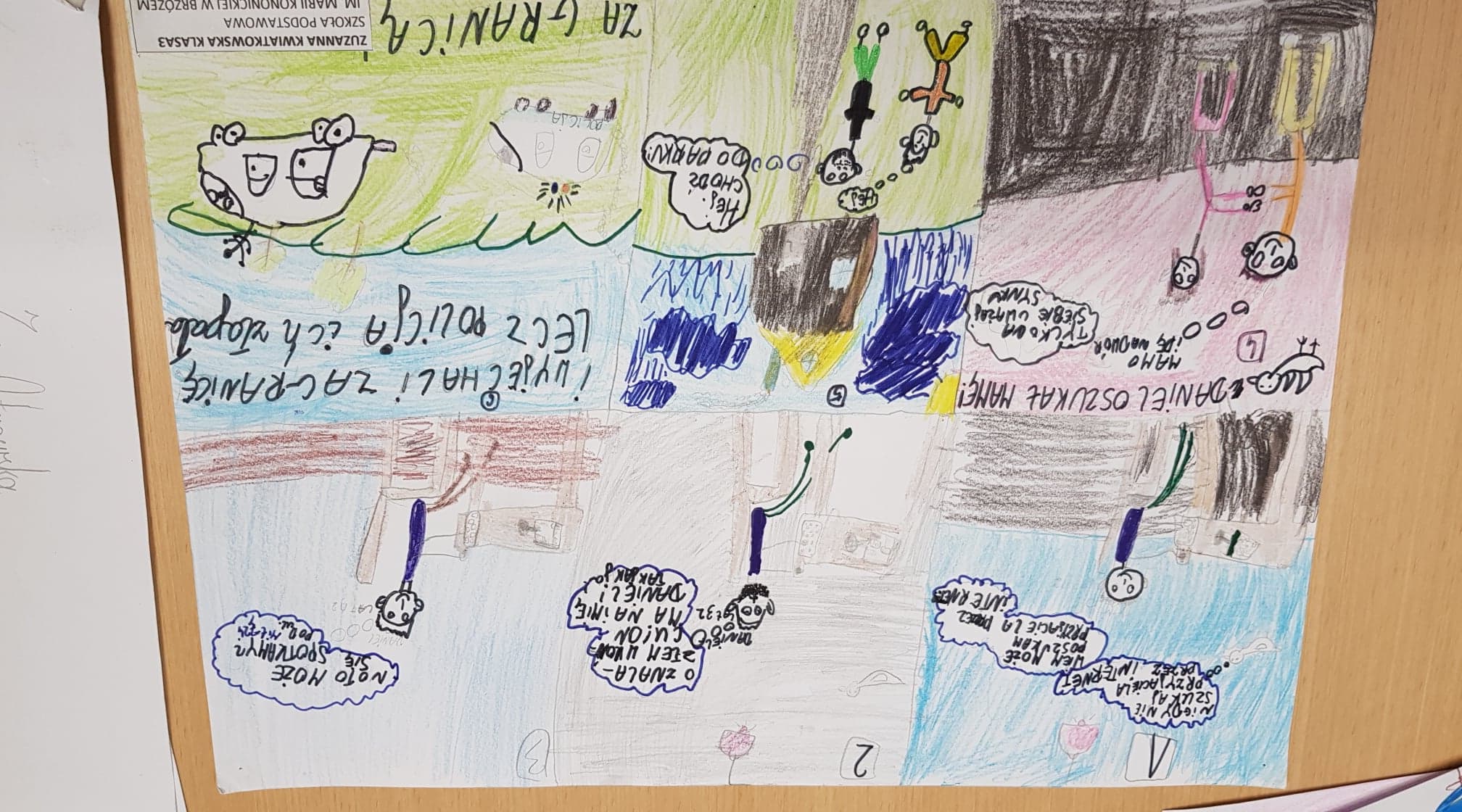
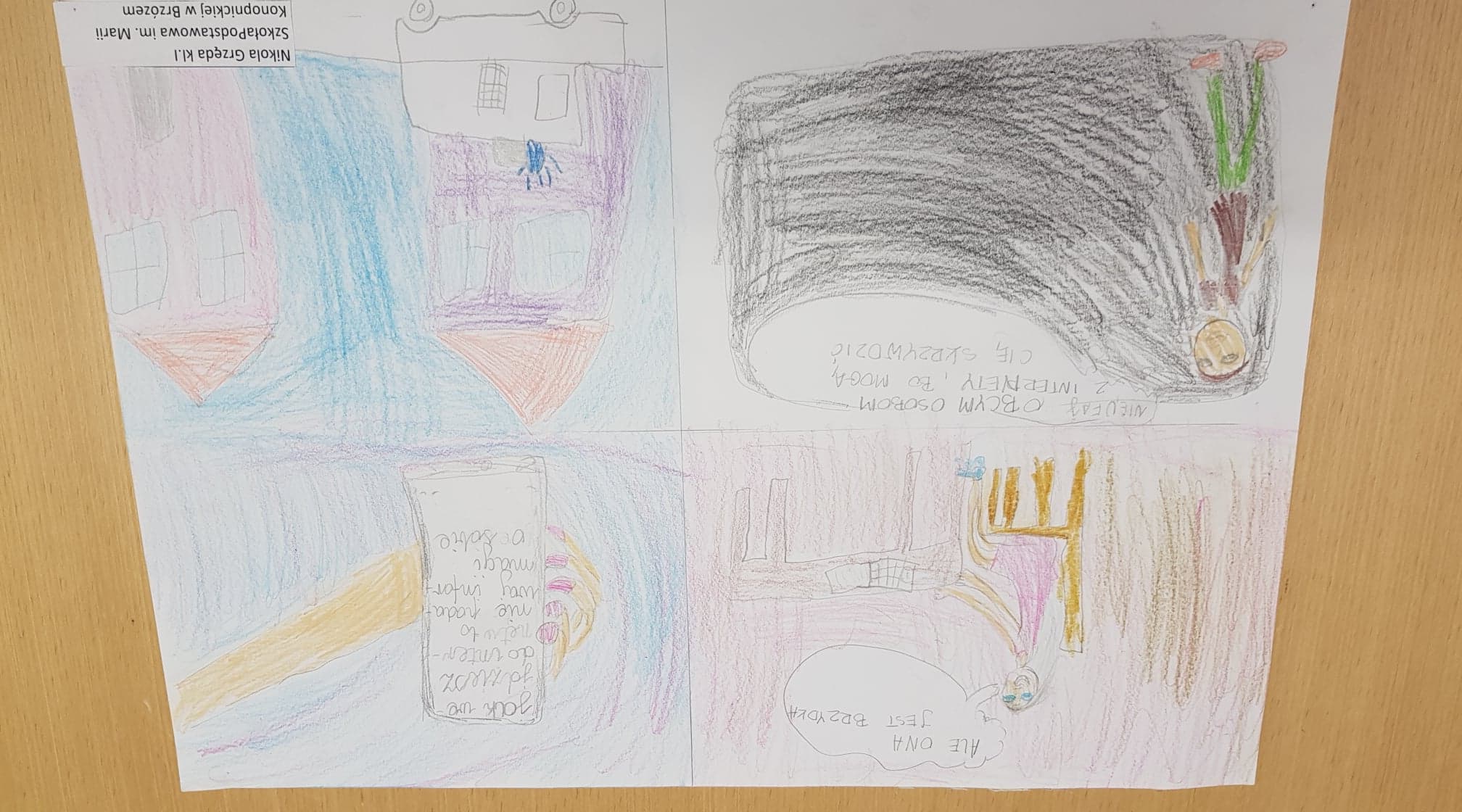
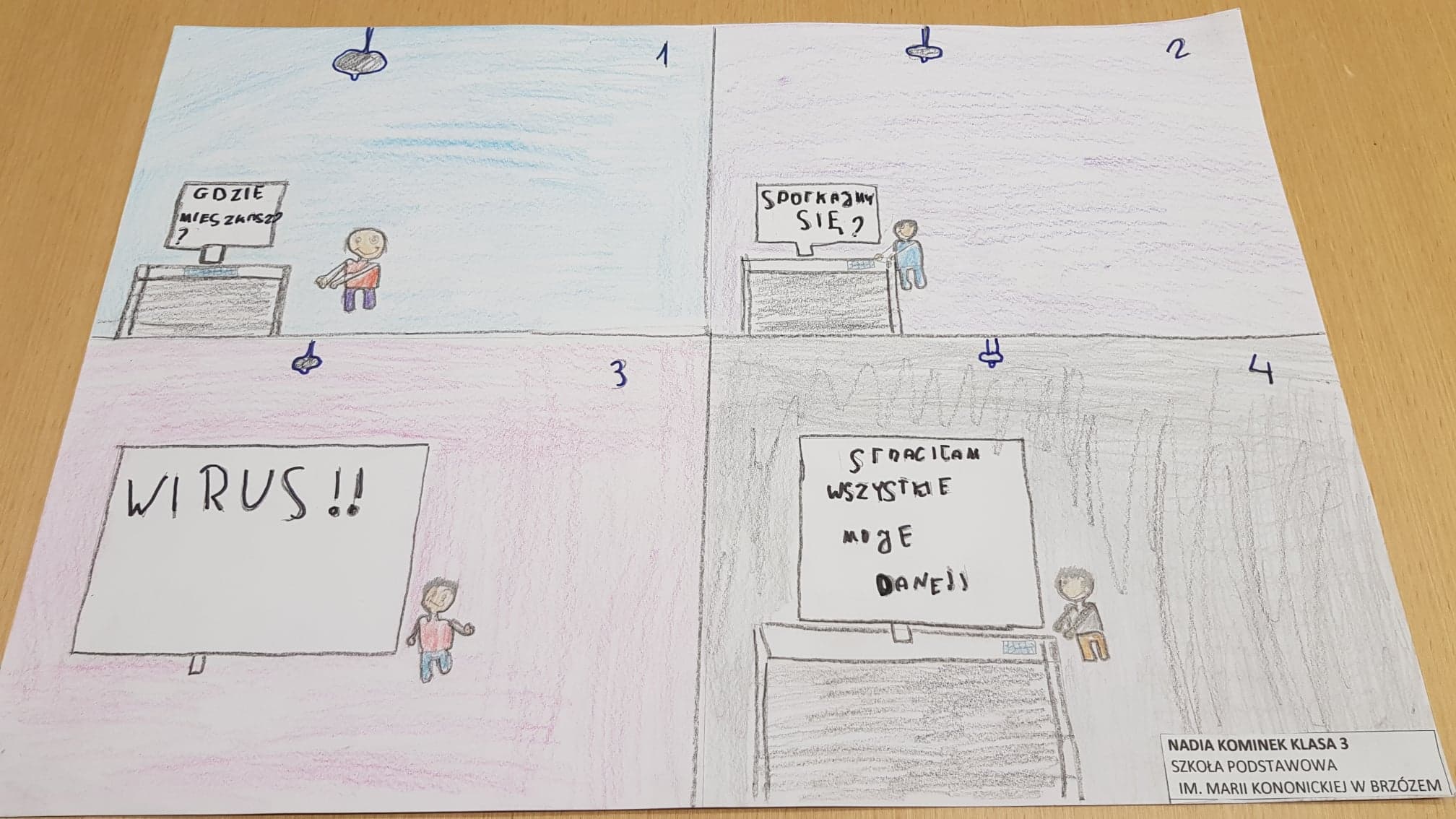
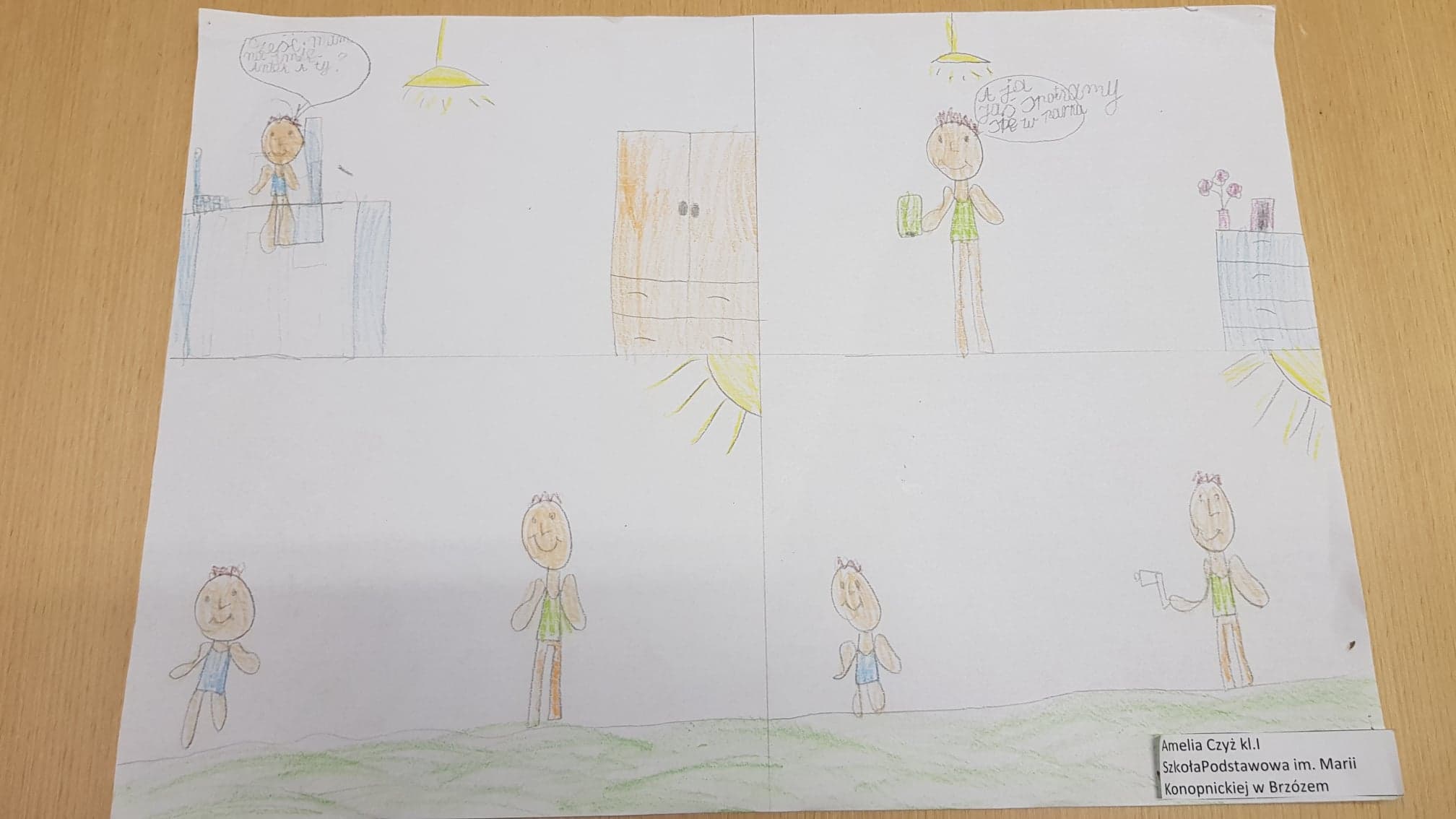
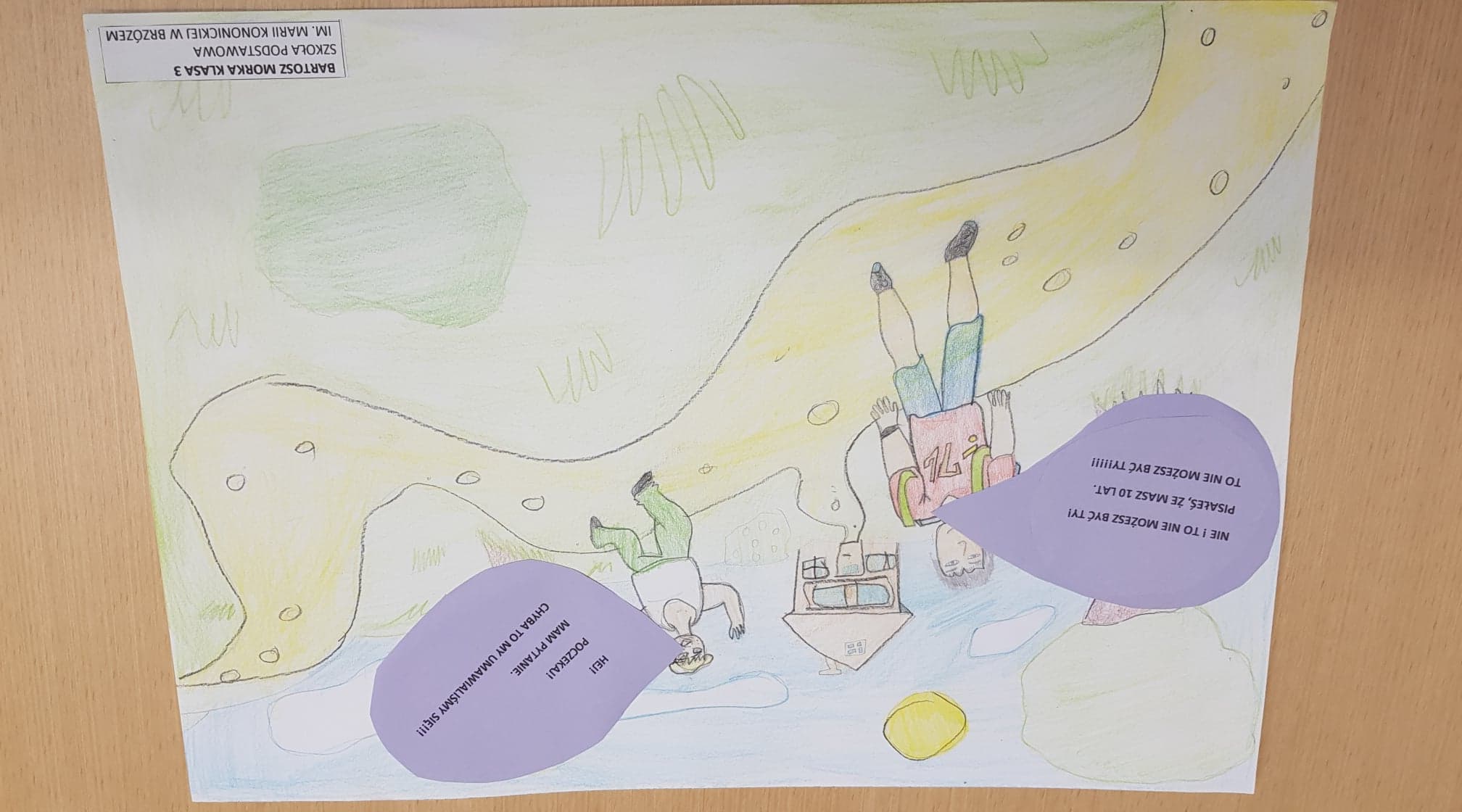
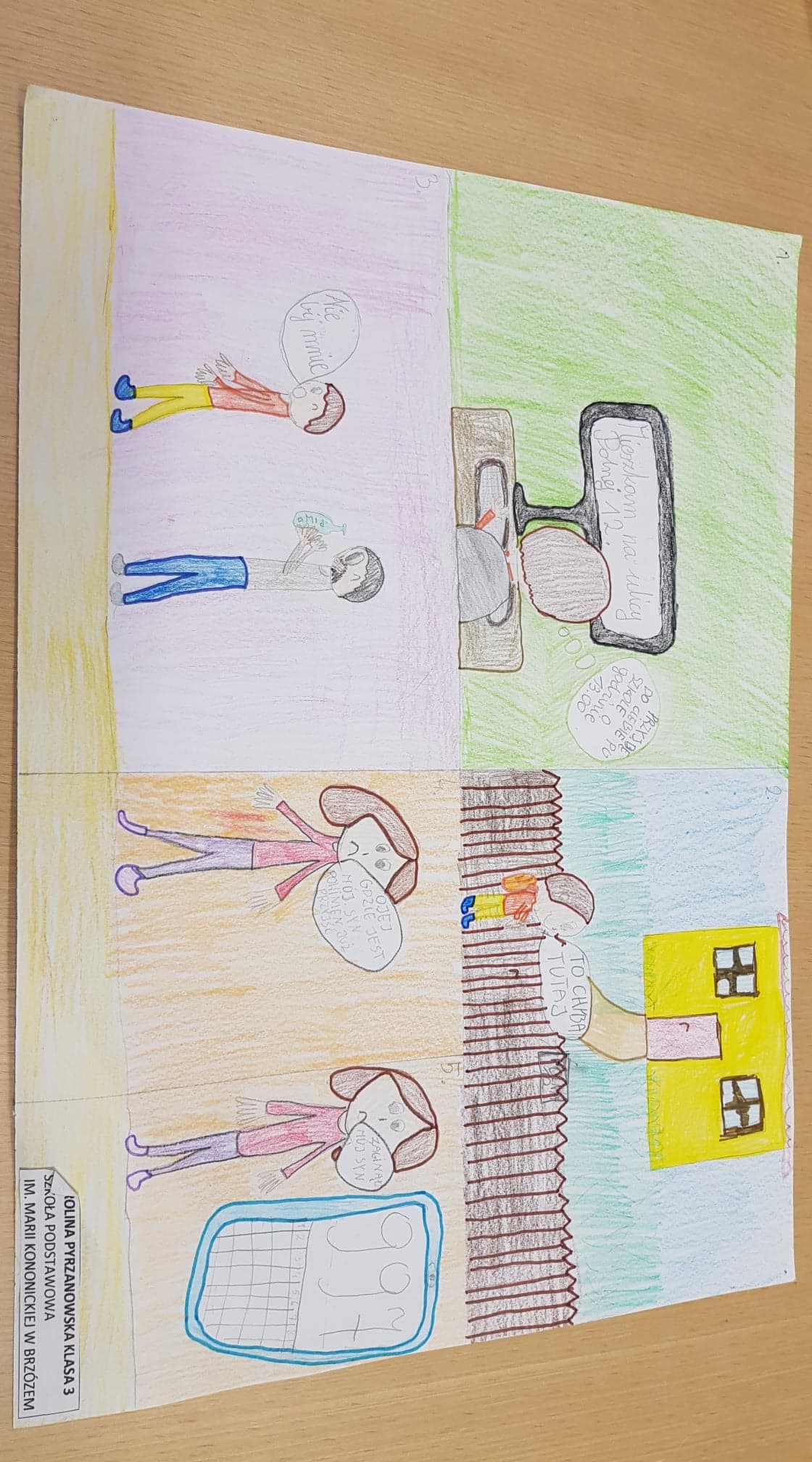
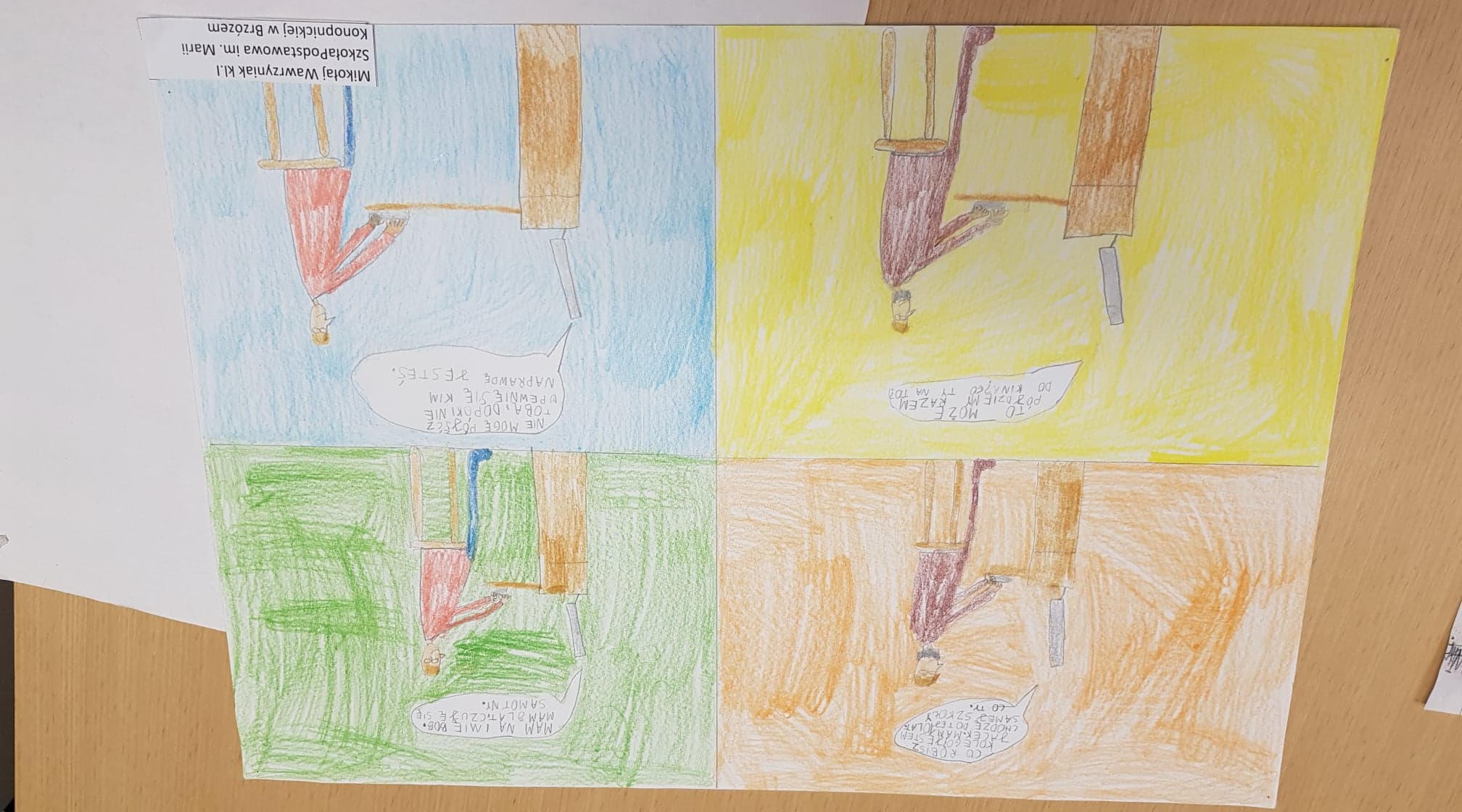
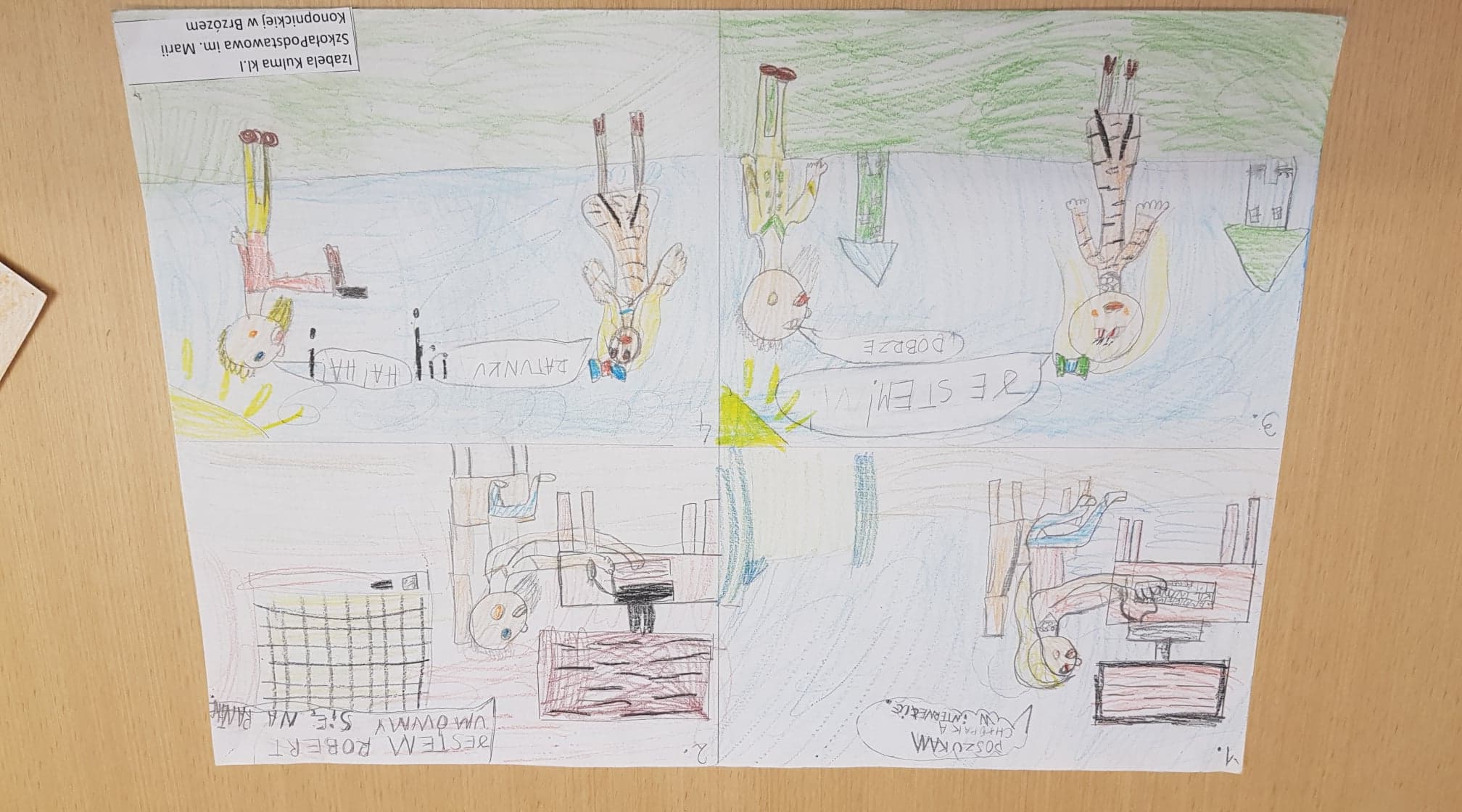
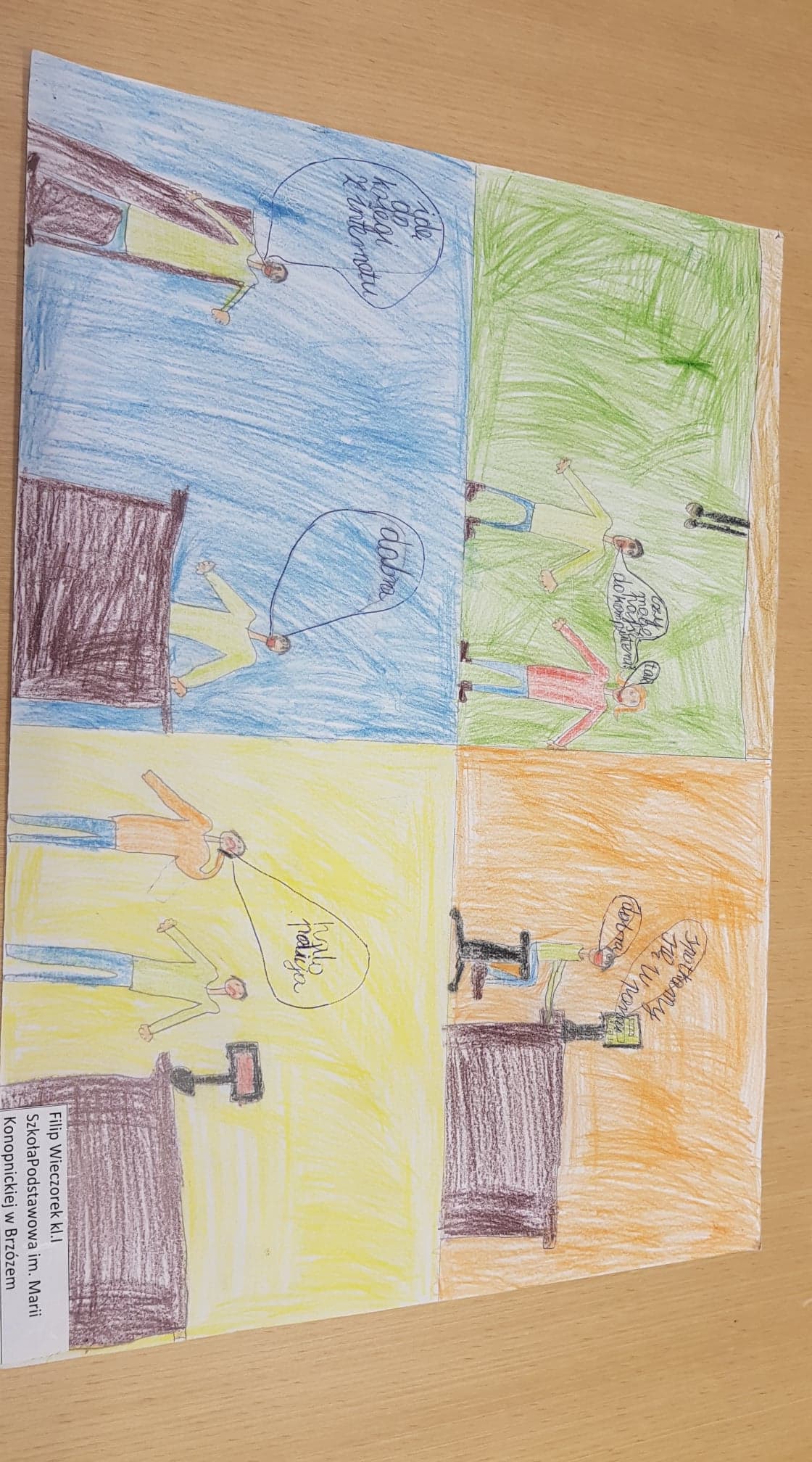
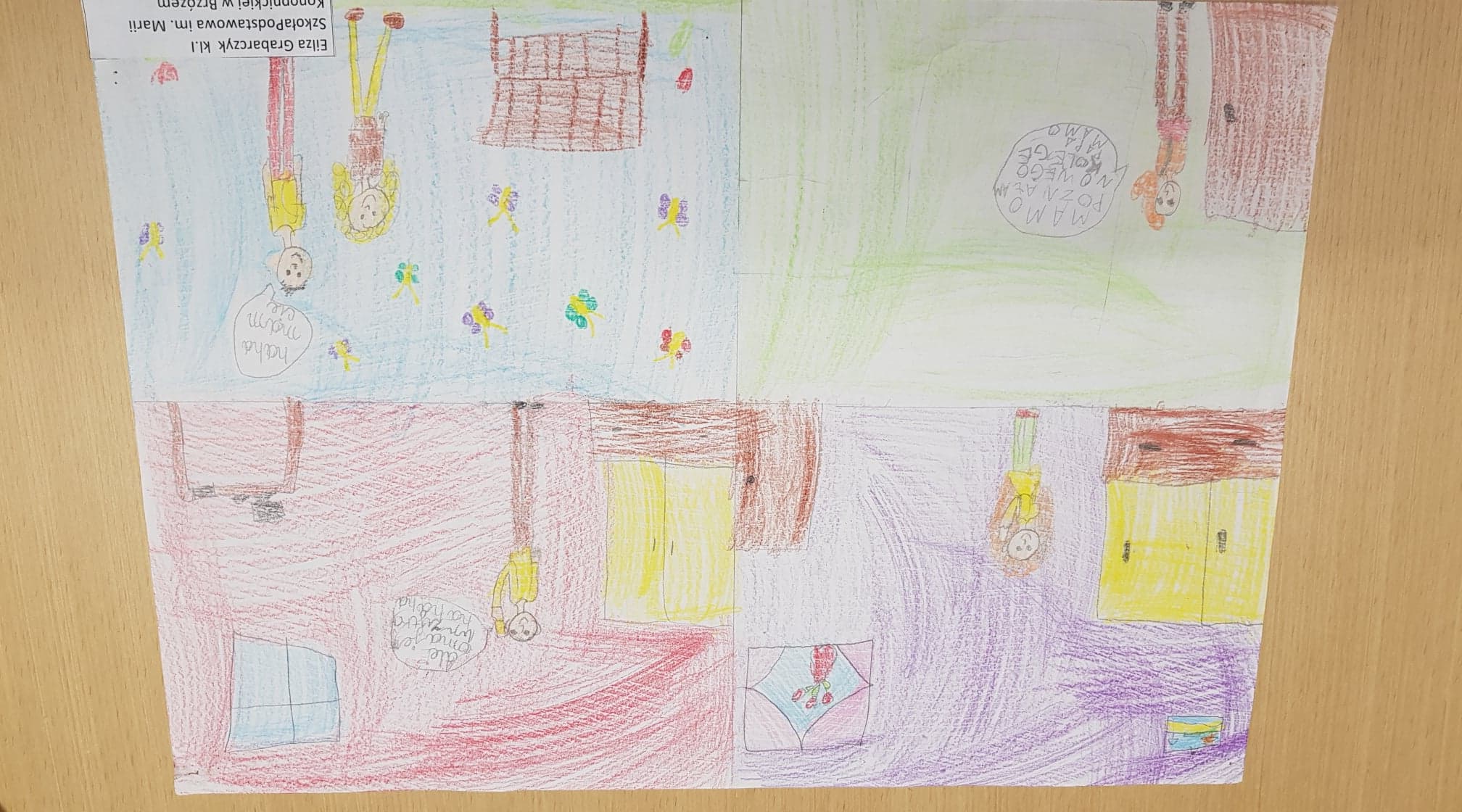
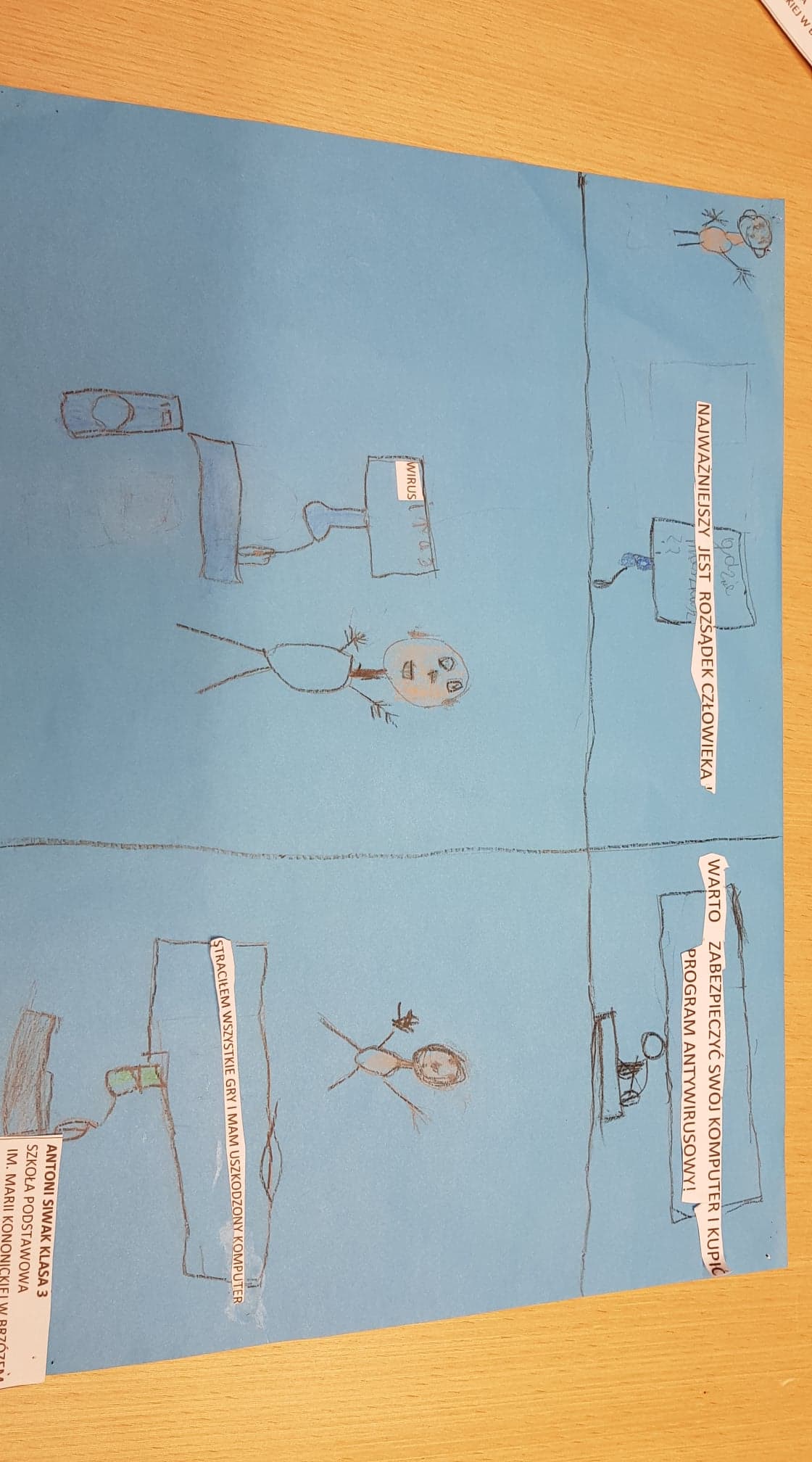
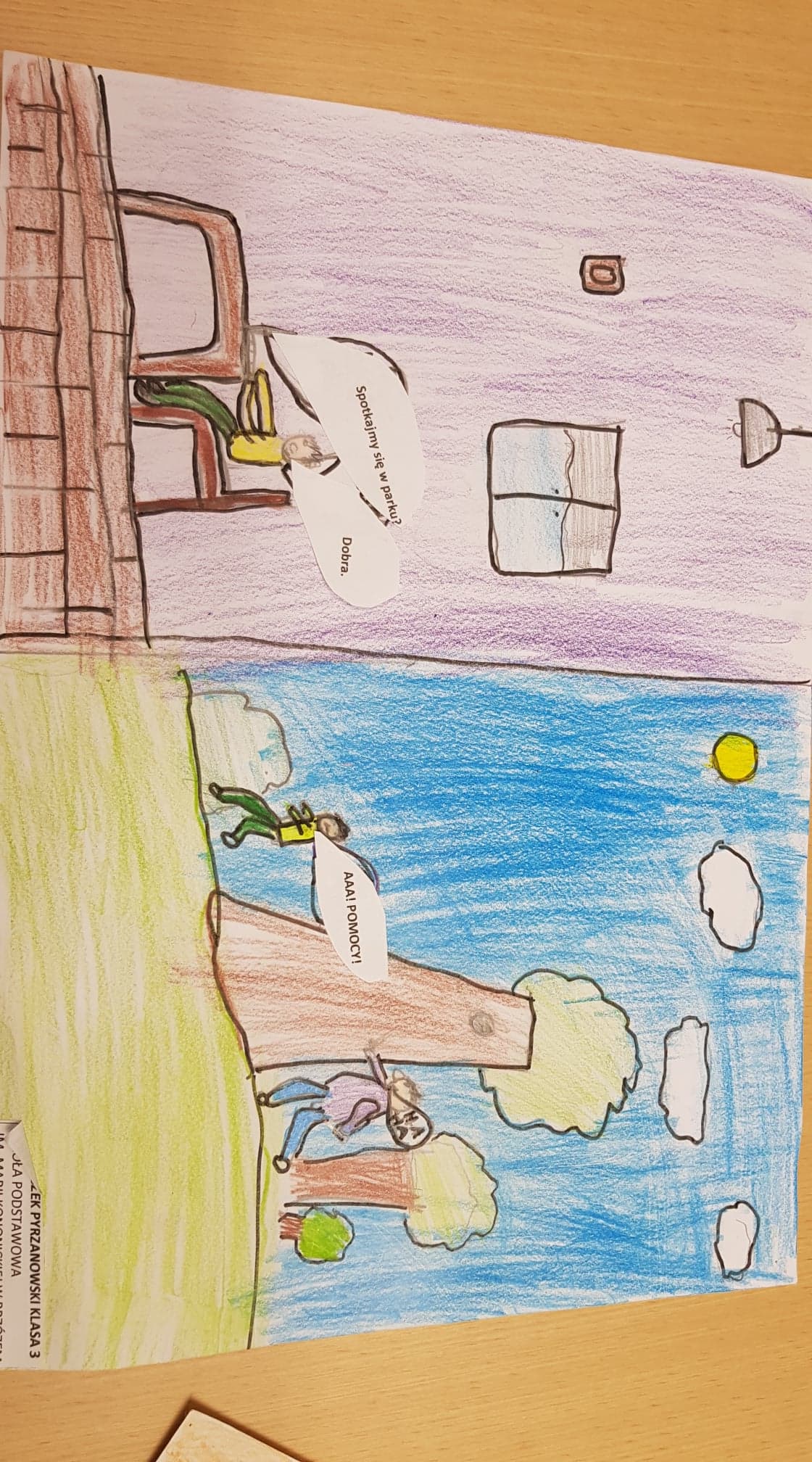
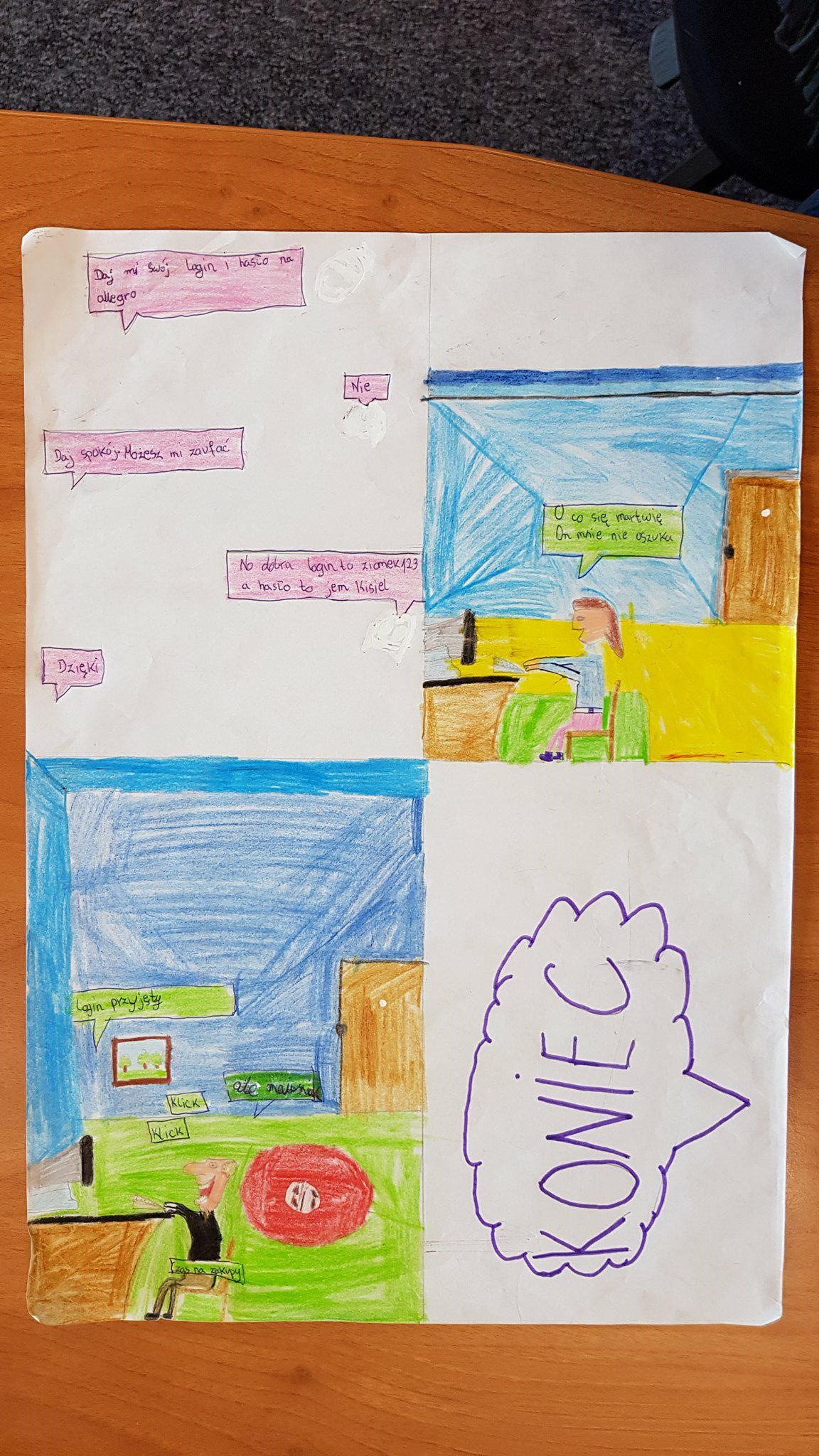
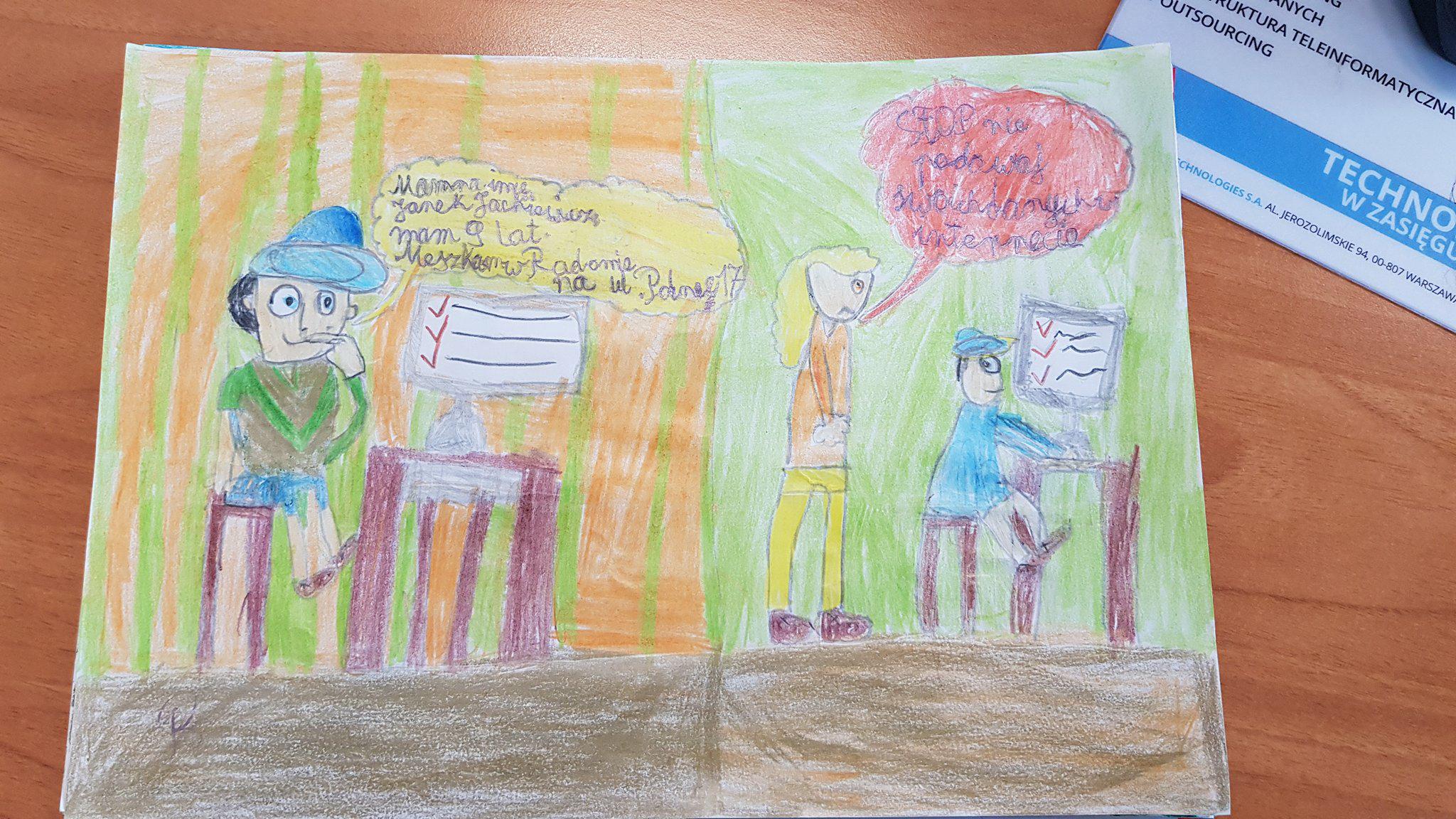
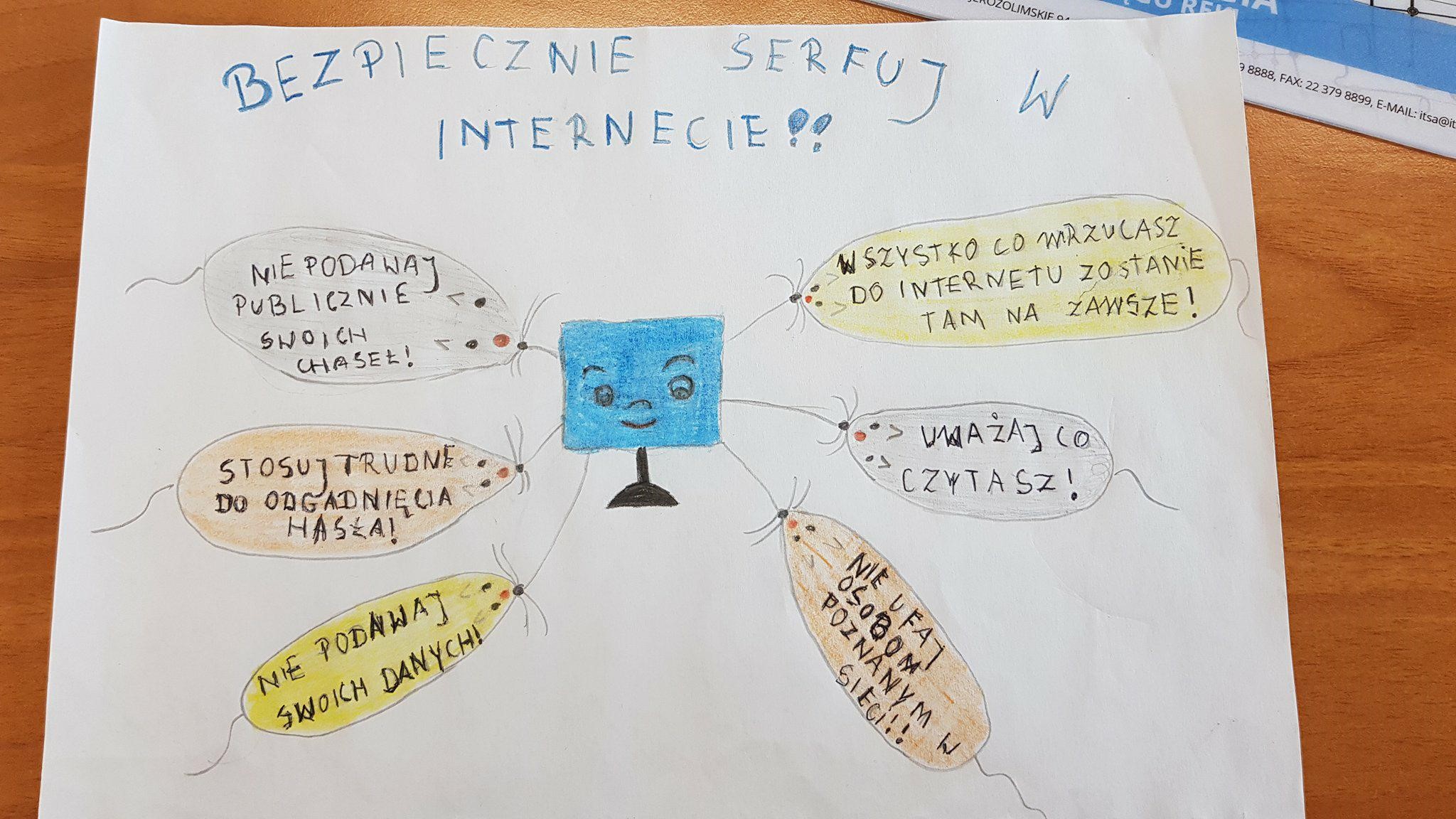
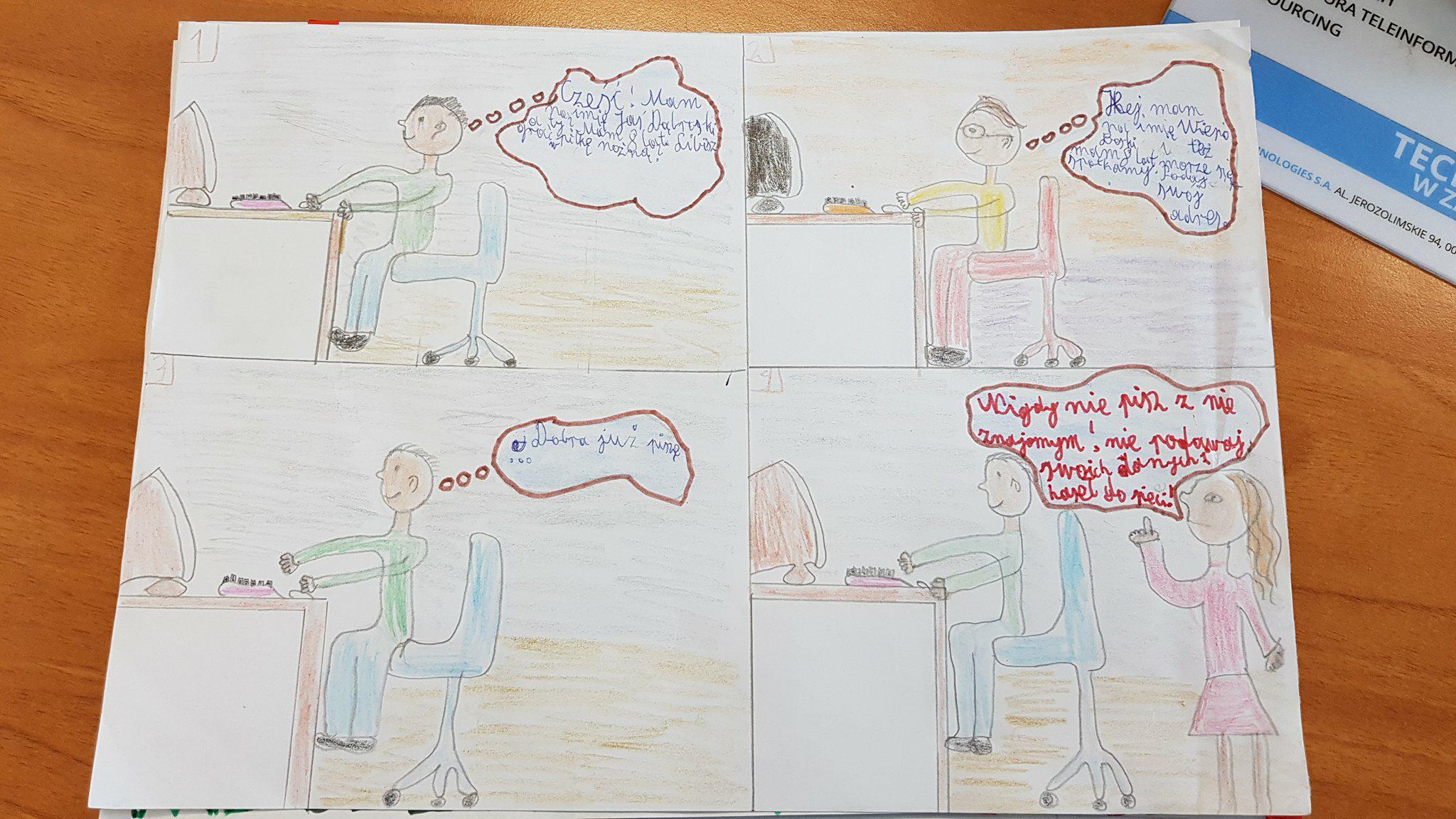
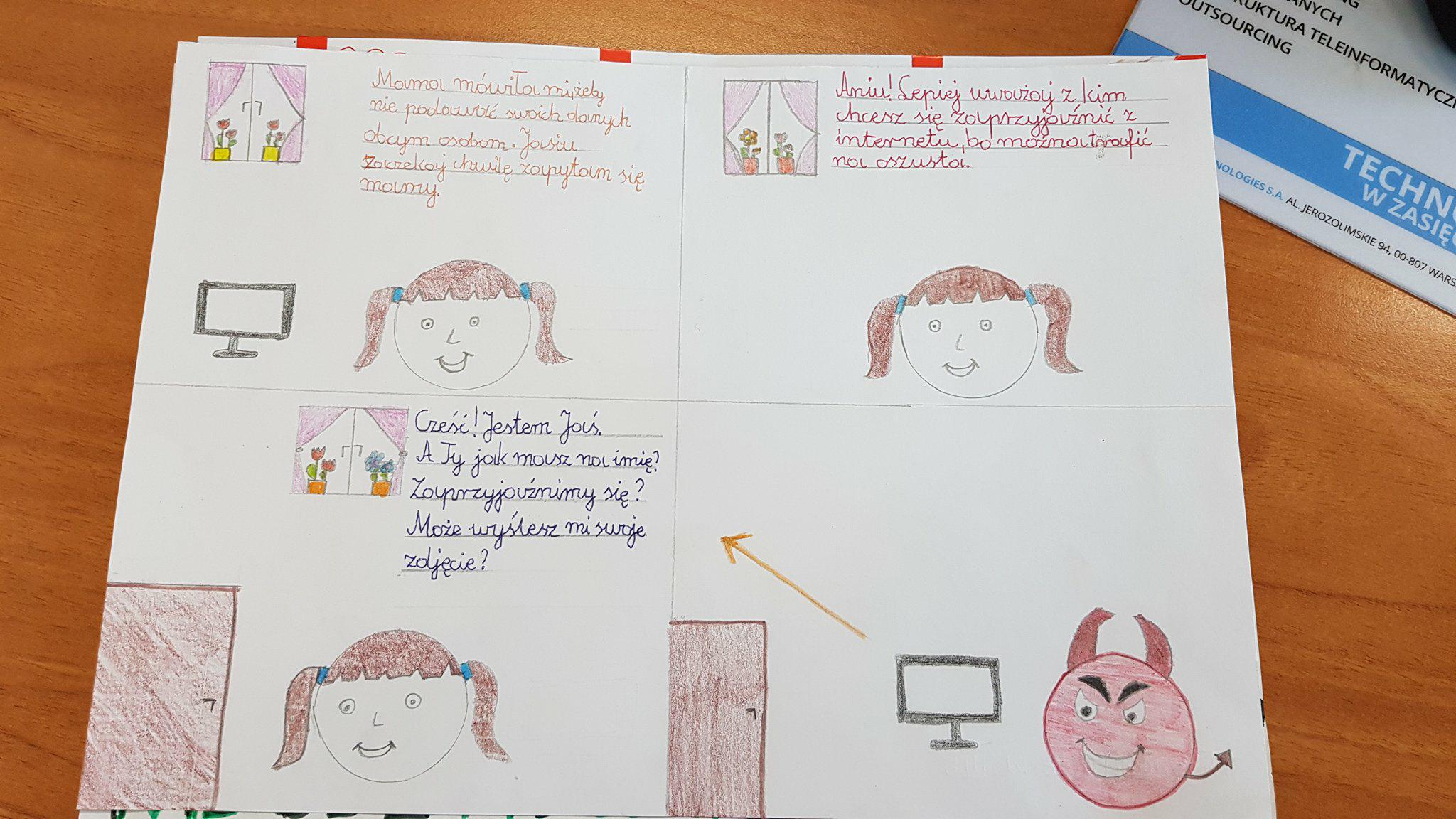
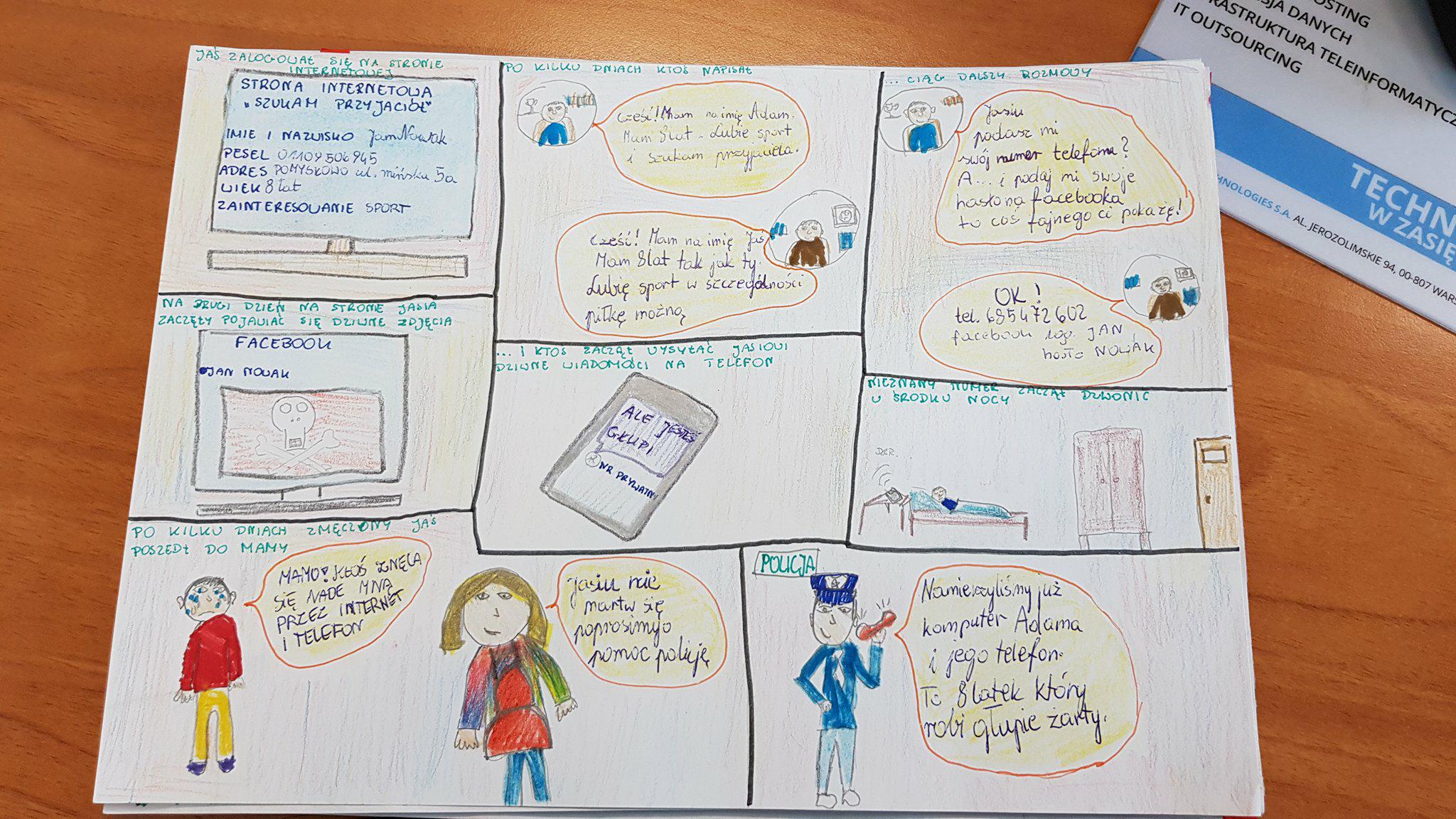
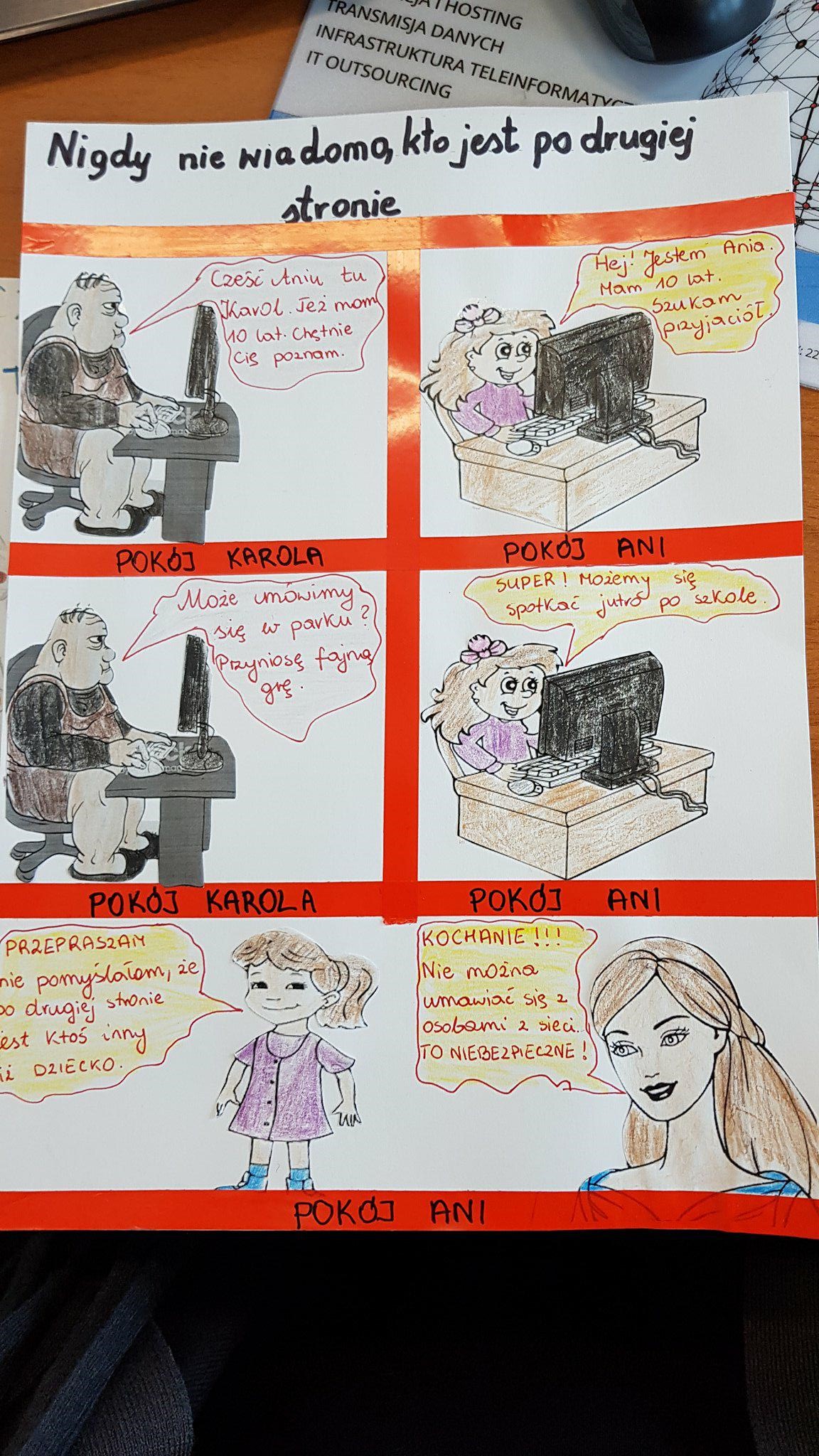
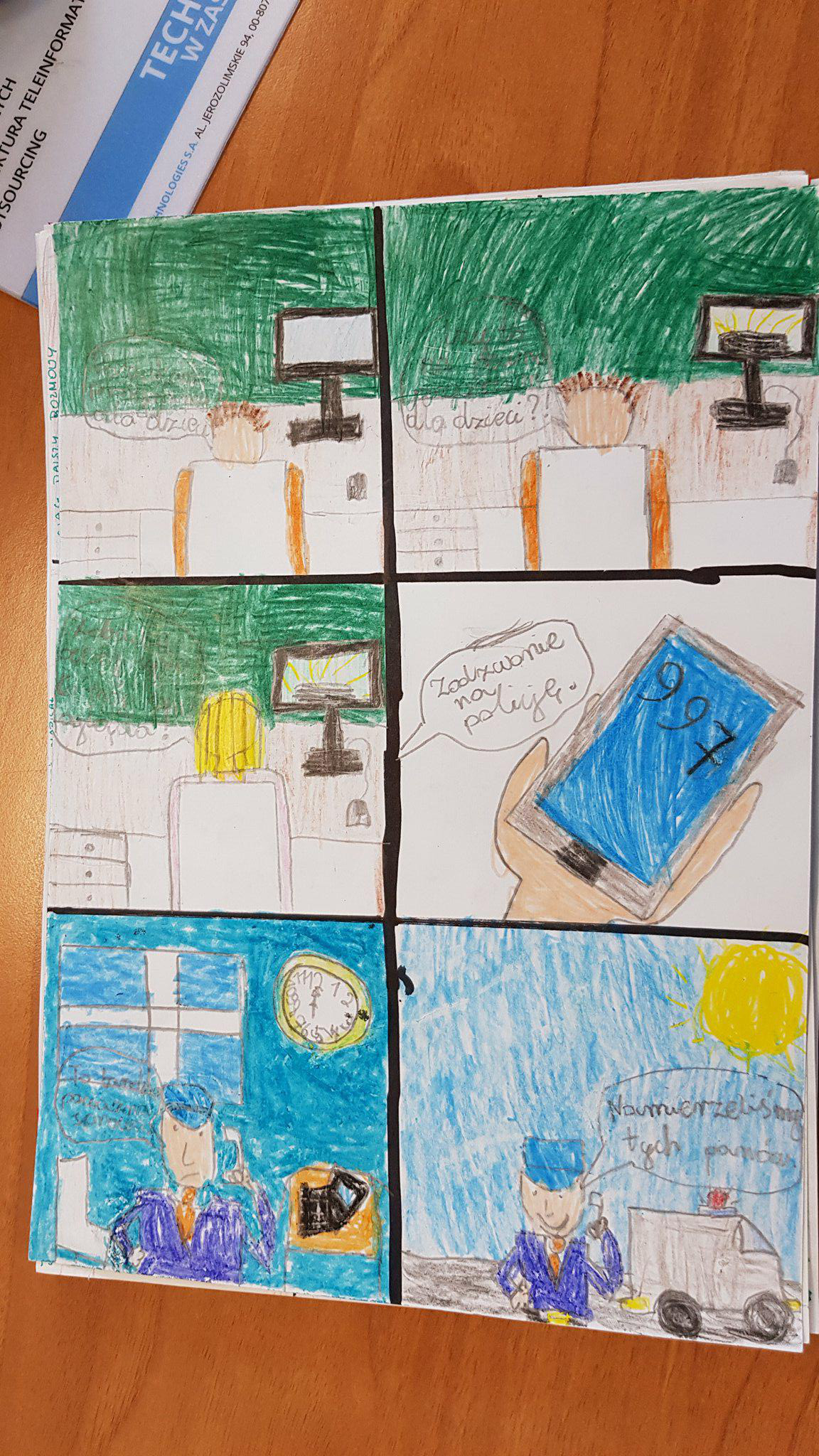
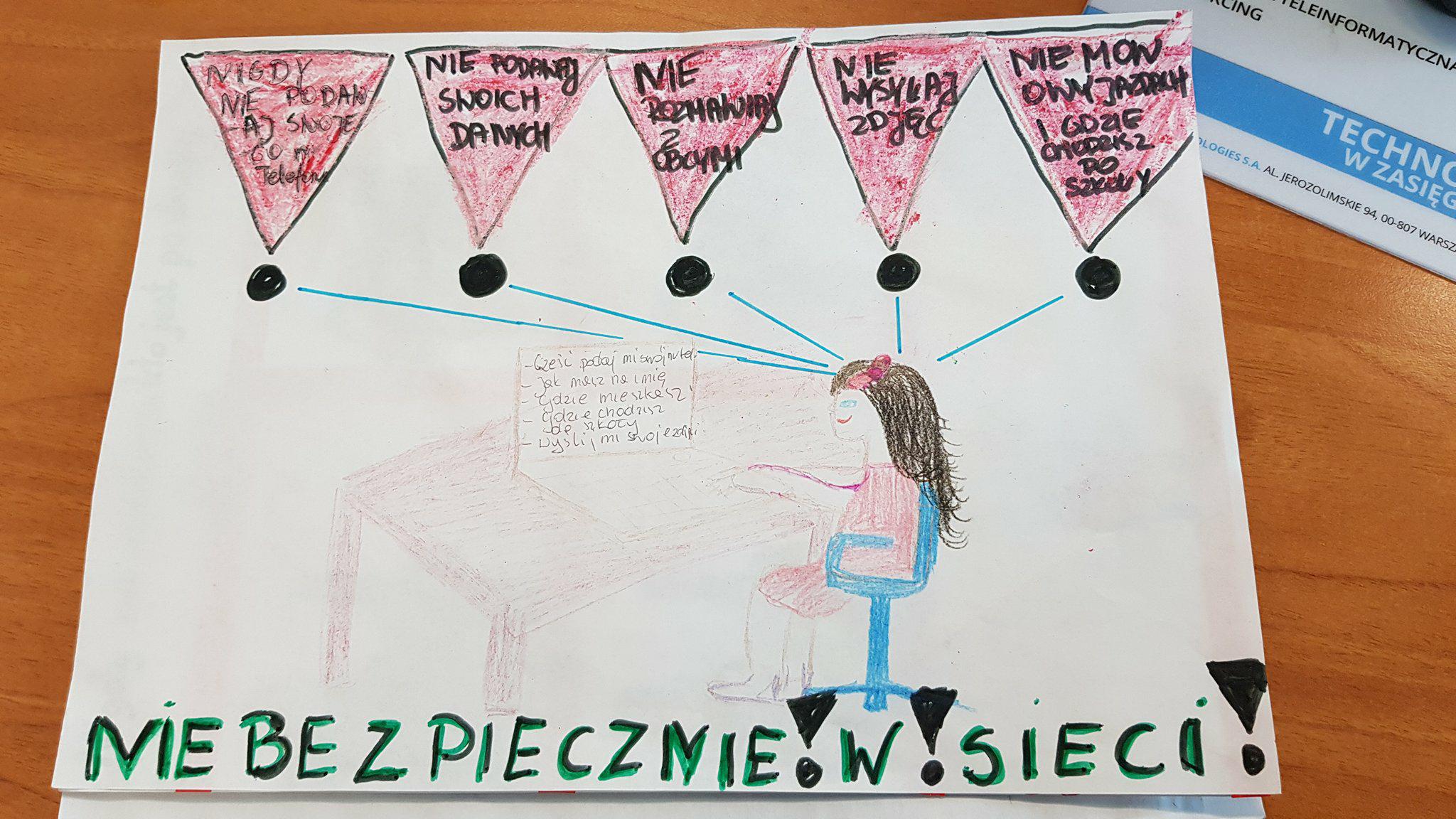
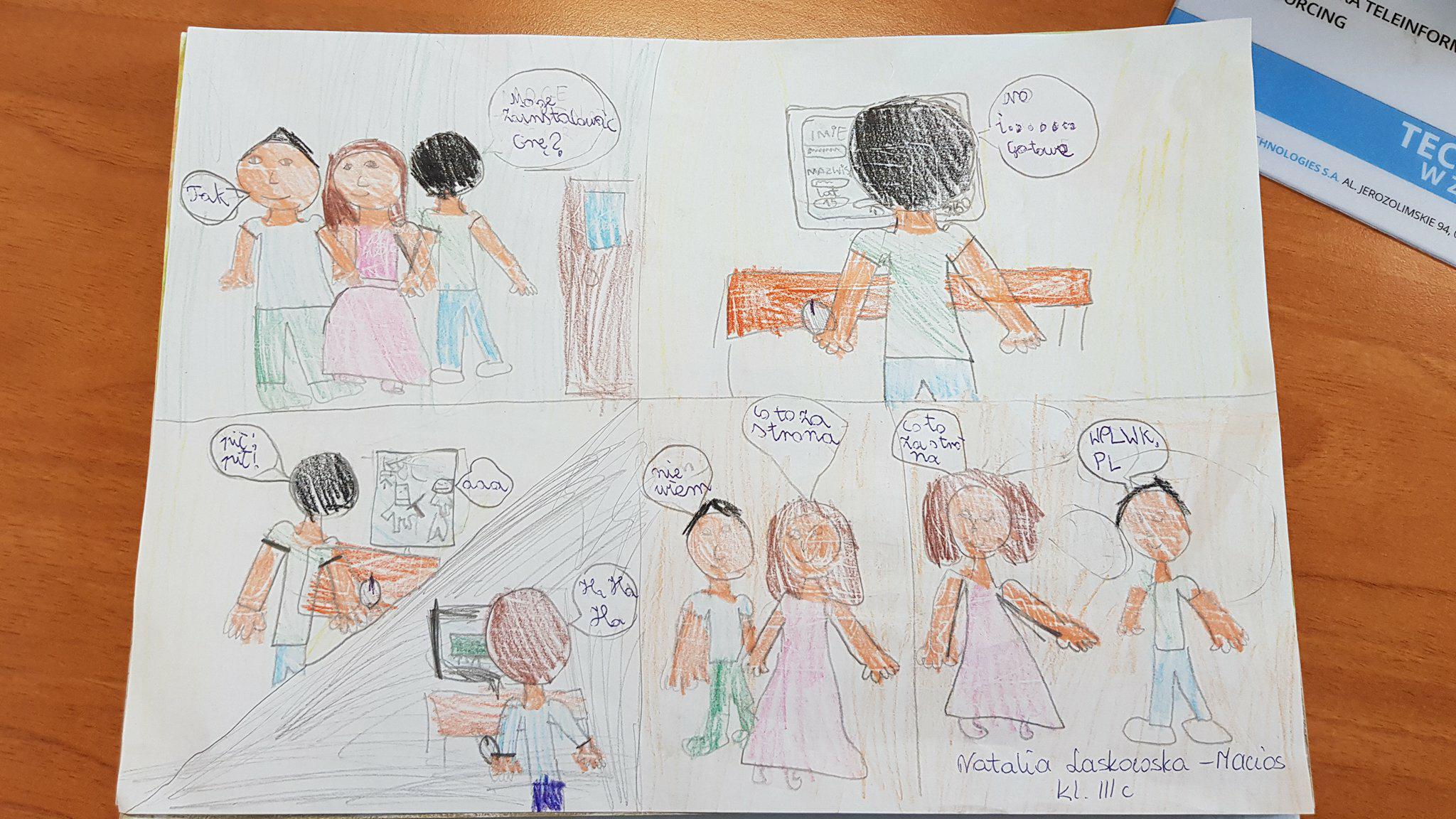
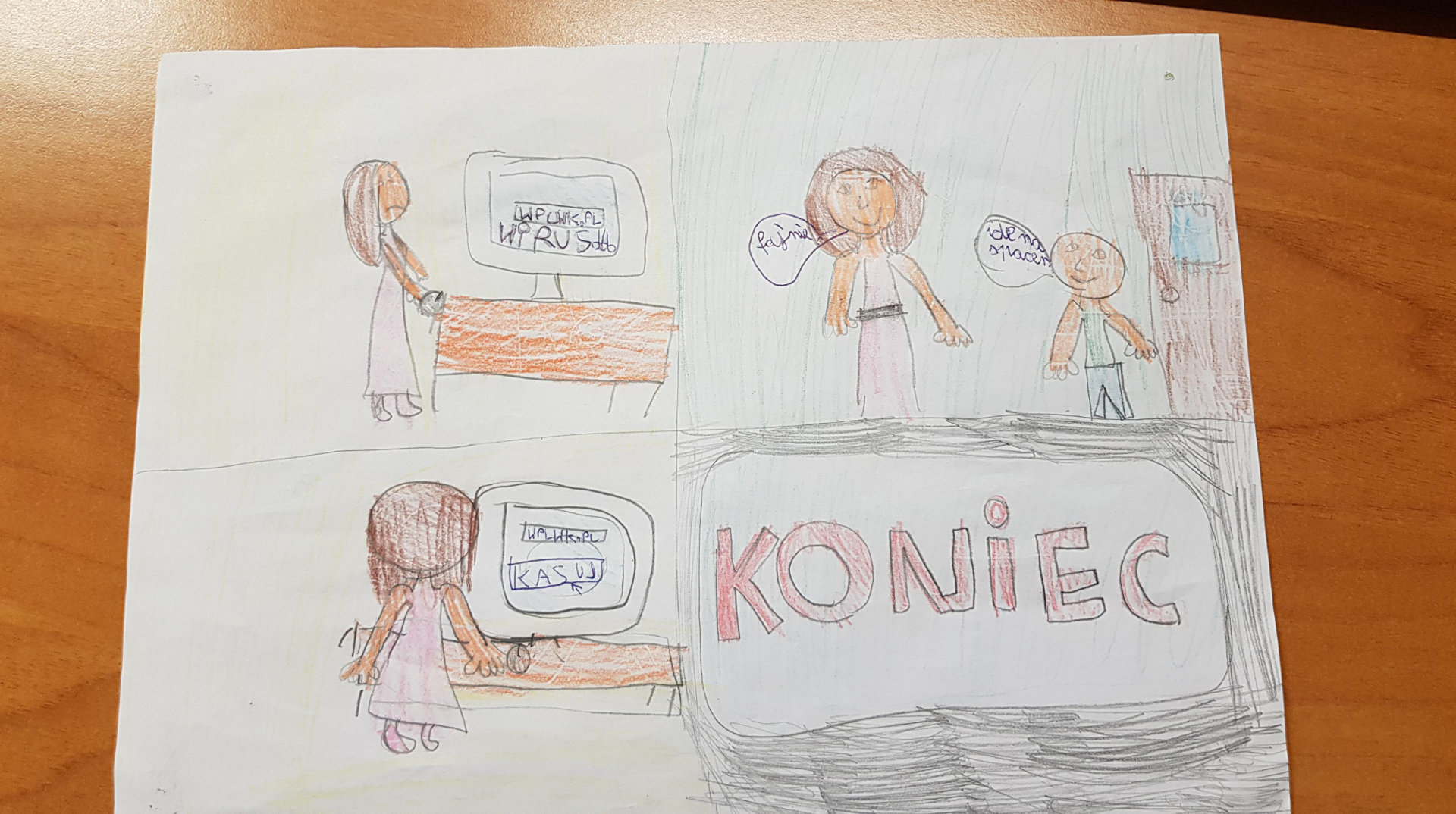
Comic "Threats that can meet us in the Internet"
Performed by students from grades I-III from the Maria Konopnicka Primary School in Brzóze
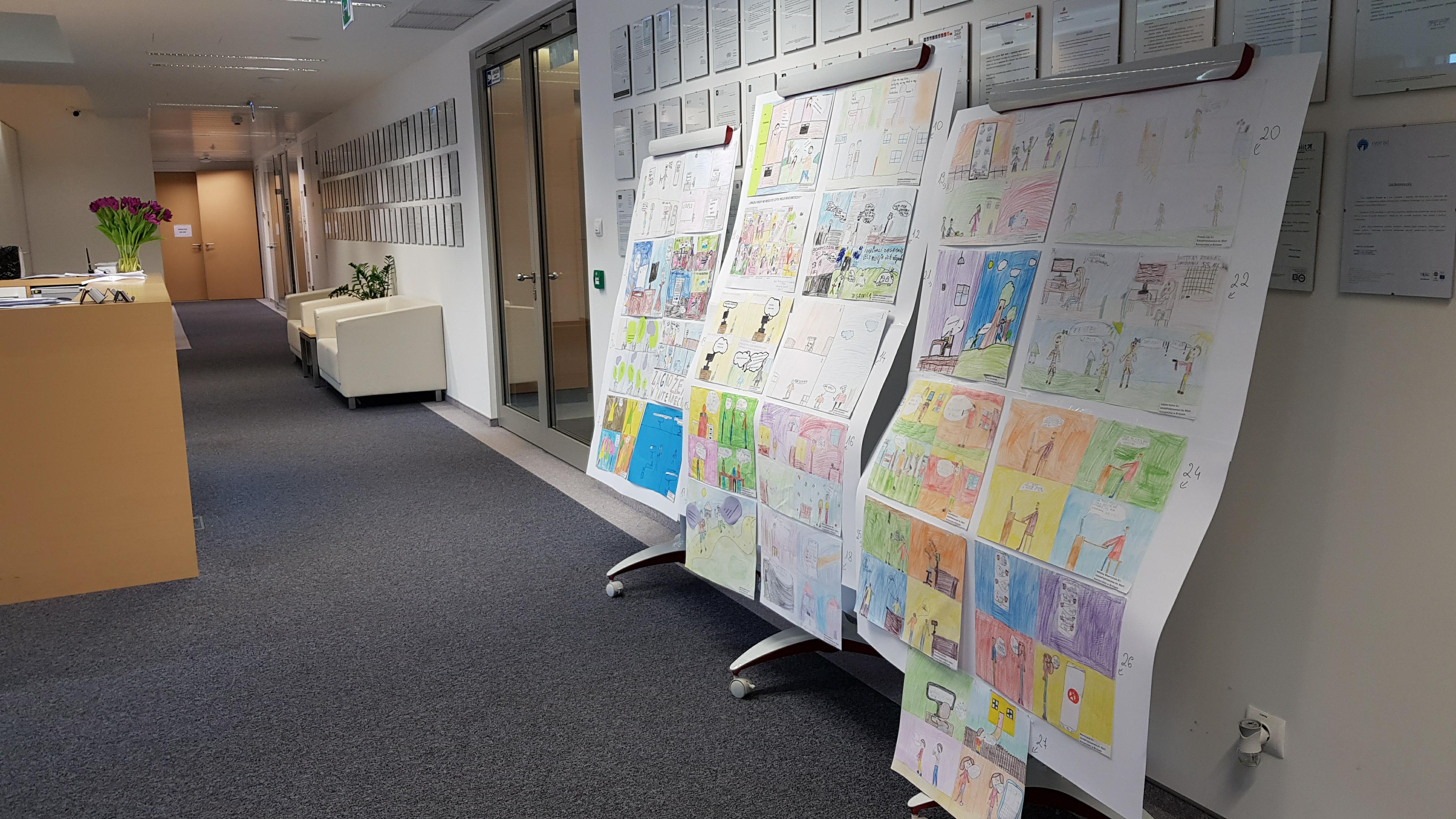
On the occasion of the Safer Internet Day, pupils from grades 1 to 3 from the Primary School named after Maria Konopnicka in Brzóze did artistic works as part of our competition “Threats that can meet us in the Internet”. First, the works were exhibited at school, and then they decorated our office. Here ouremployees who voted for the best work. We chose three winning drawings.
We especially congratulate Aleksandra Jurczak from class II for the first place, Izabela Kulma from class I for second place and Adrian Kowalczyk from class III for third place.
Thank you to all students for the beautiful work!


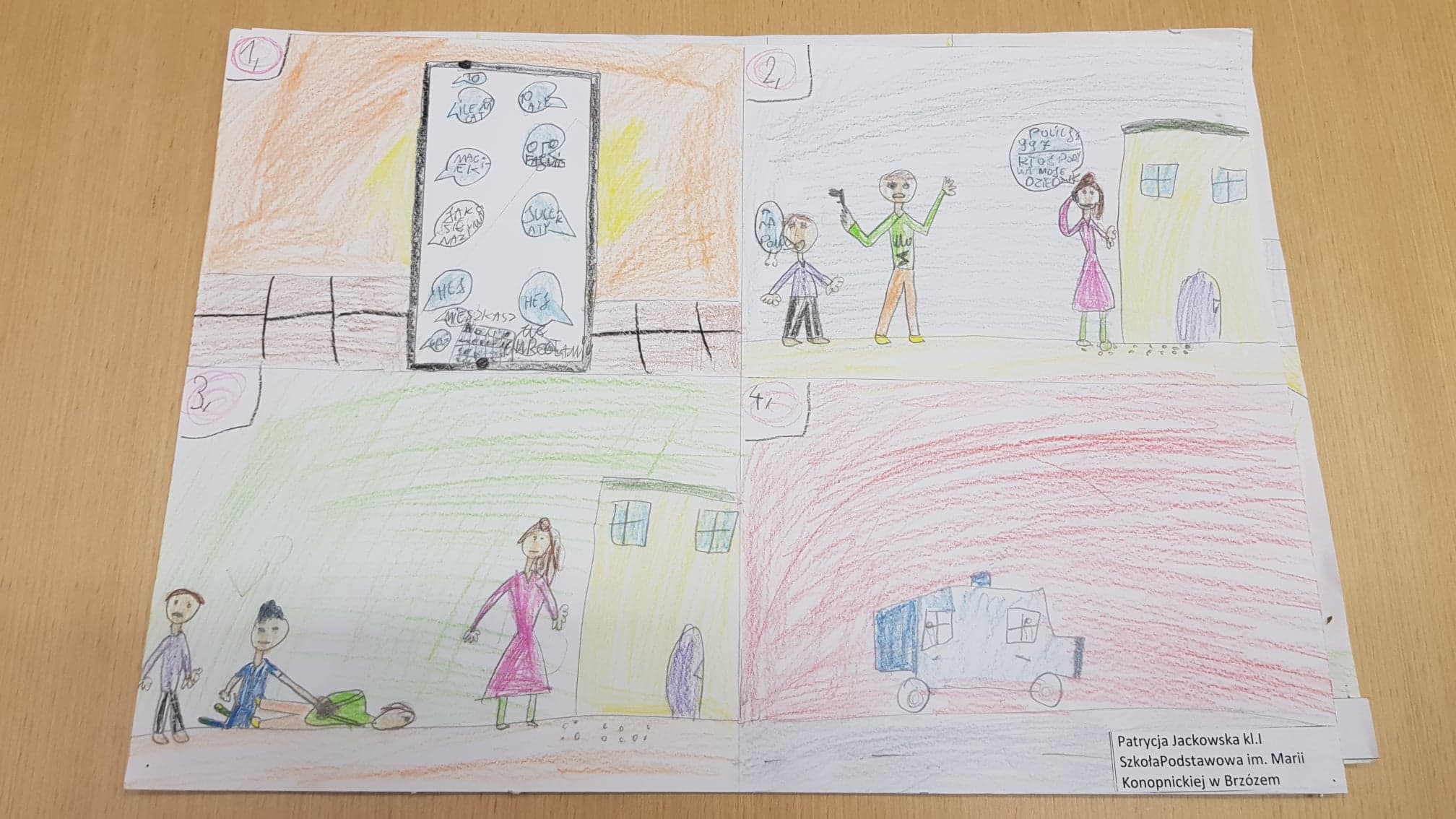
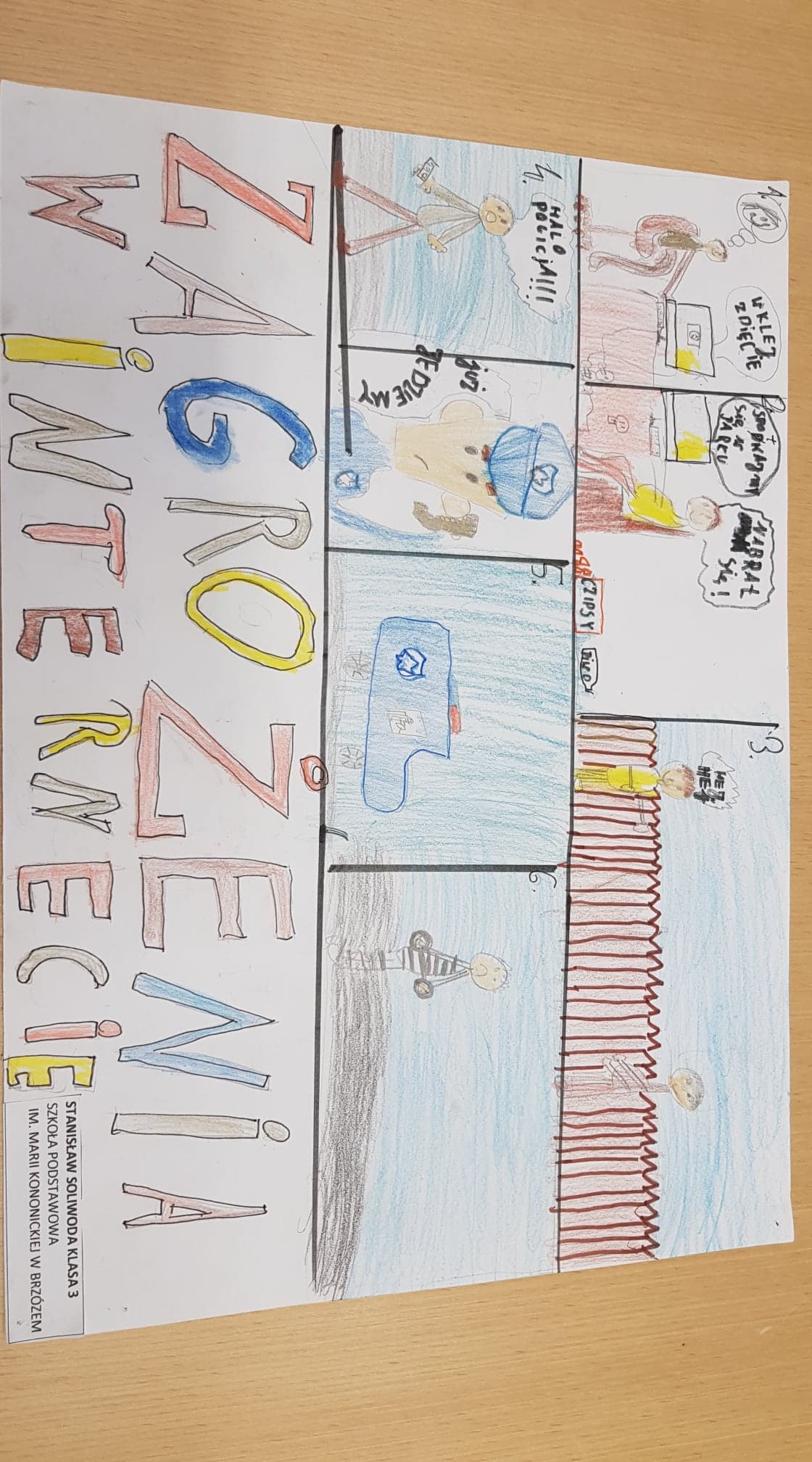
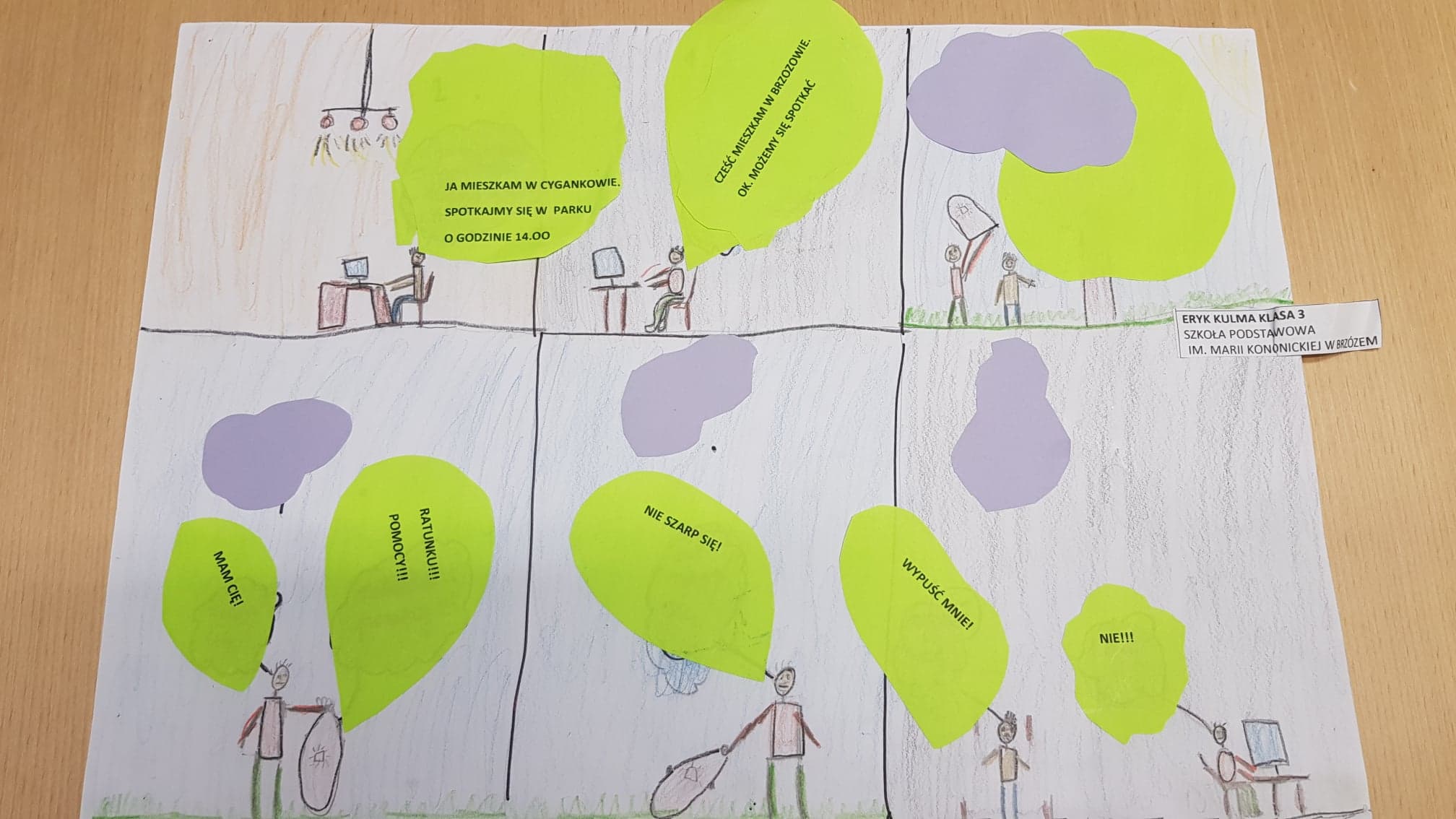

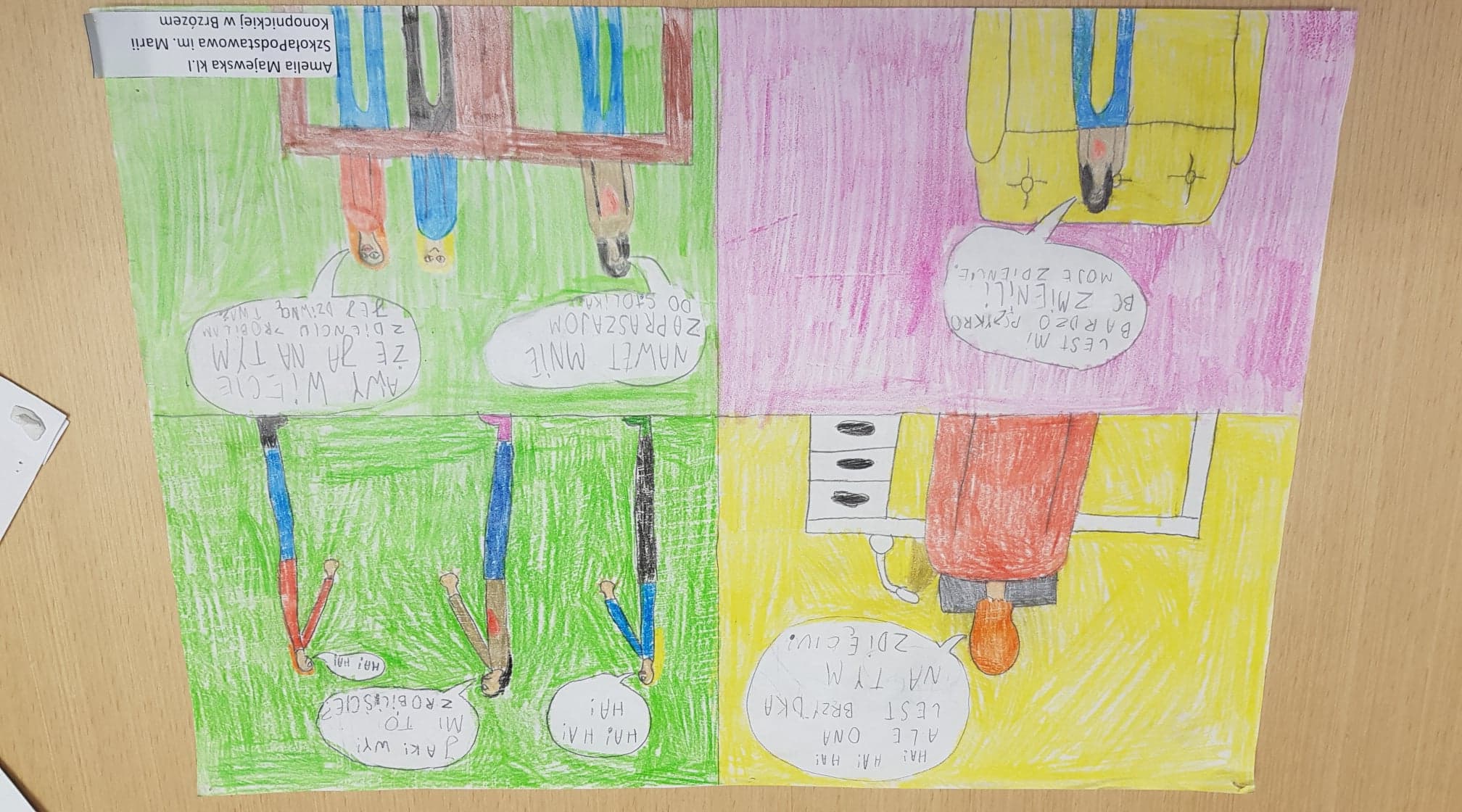


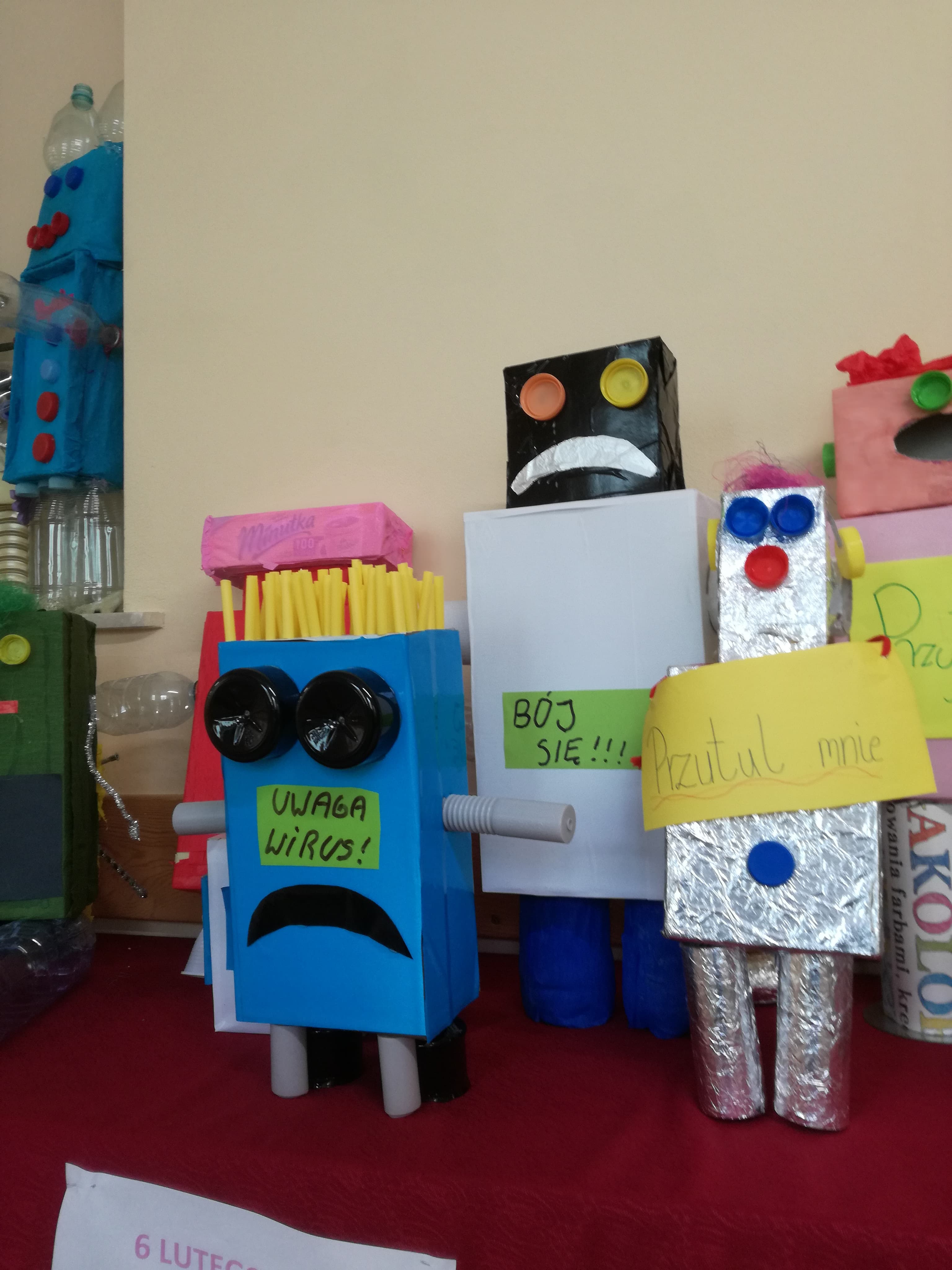
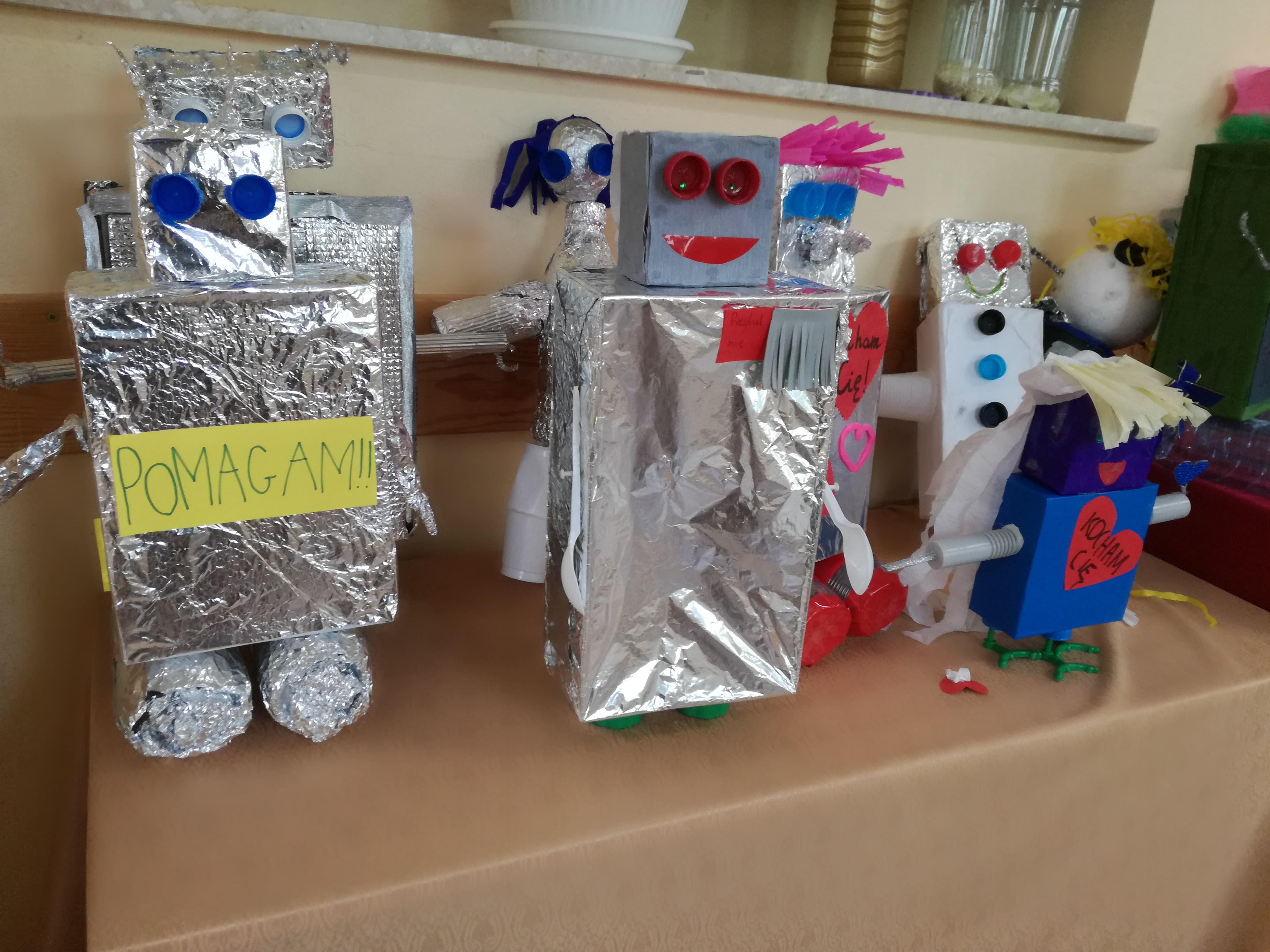
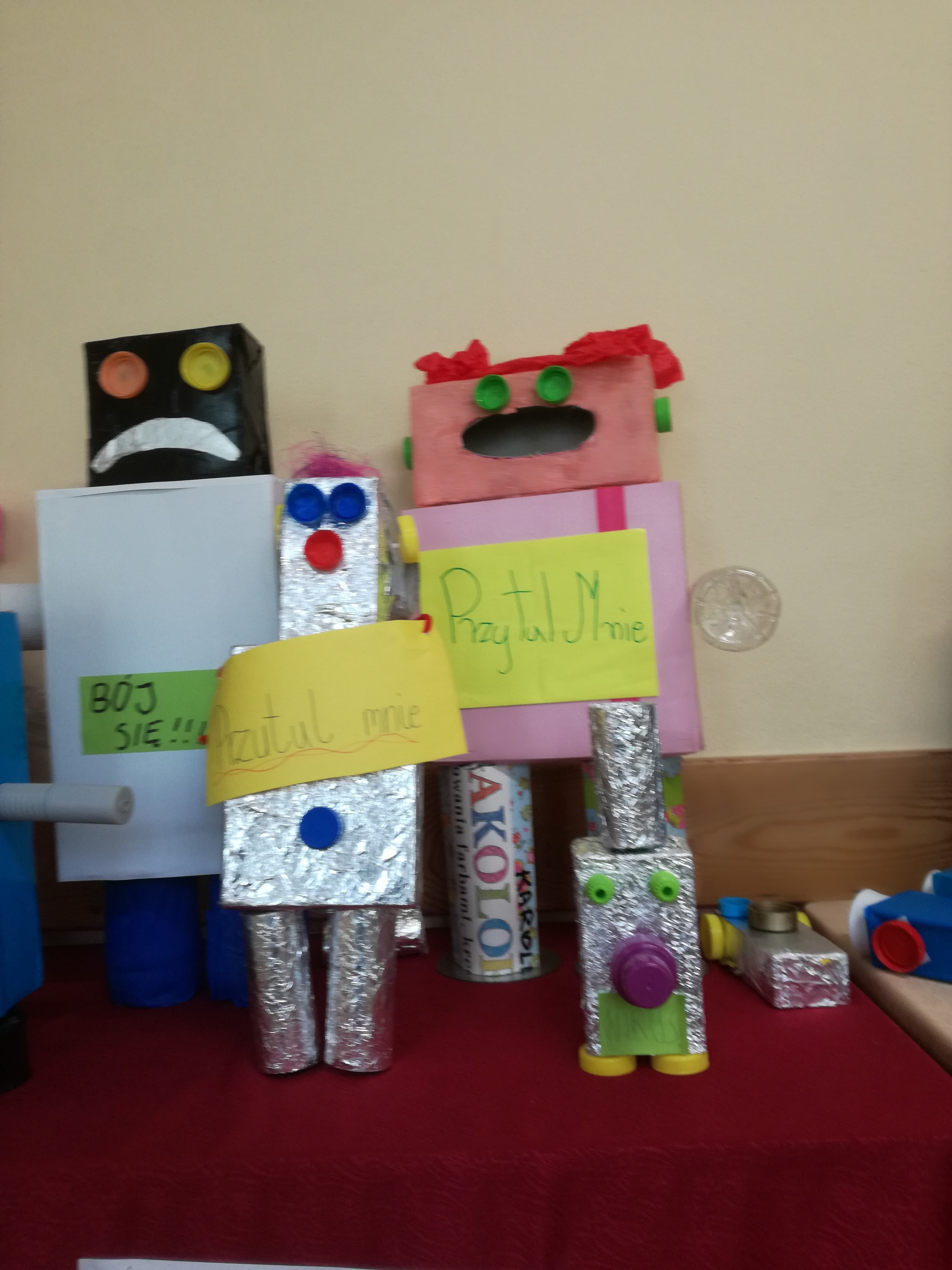
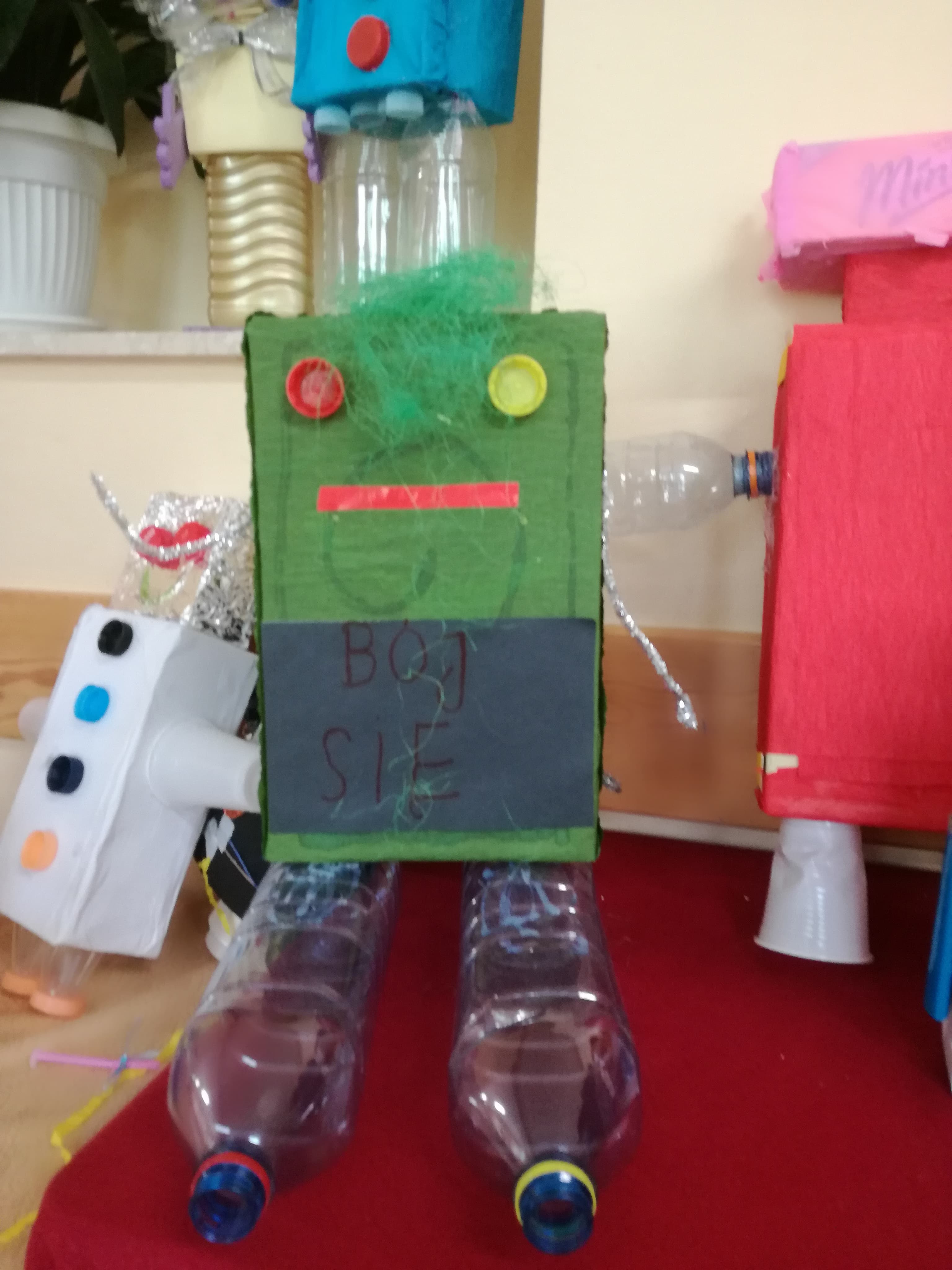
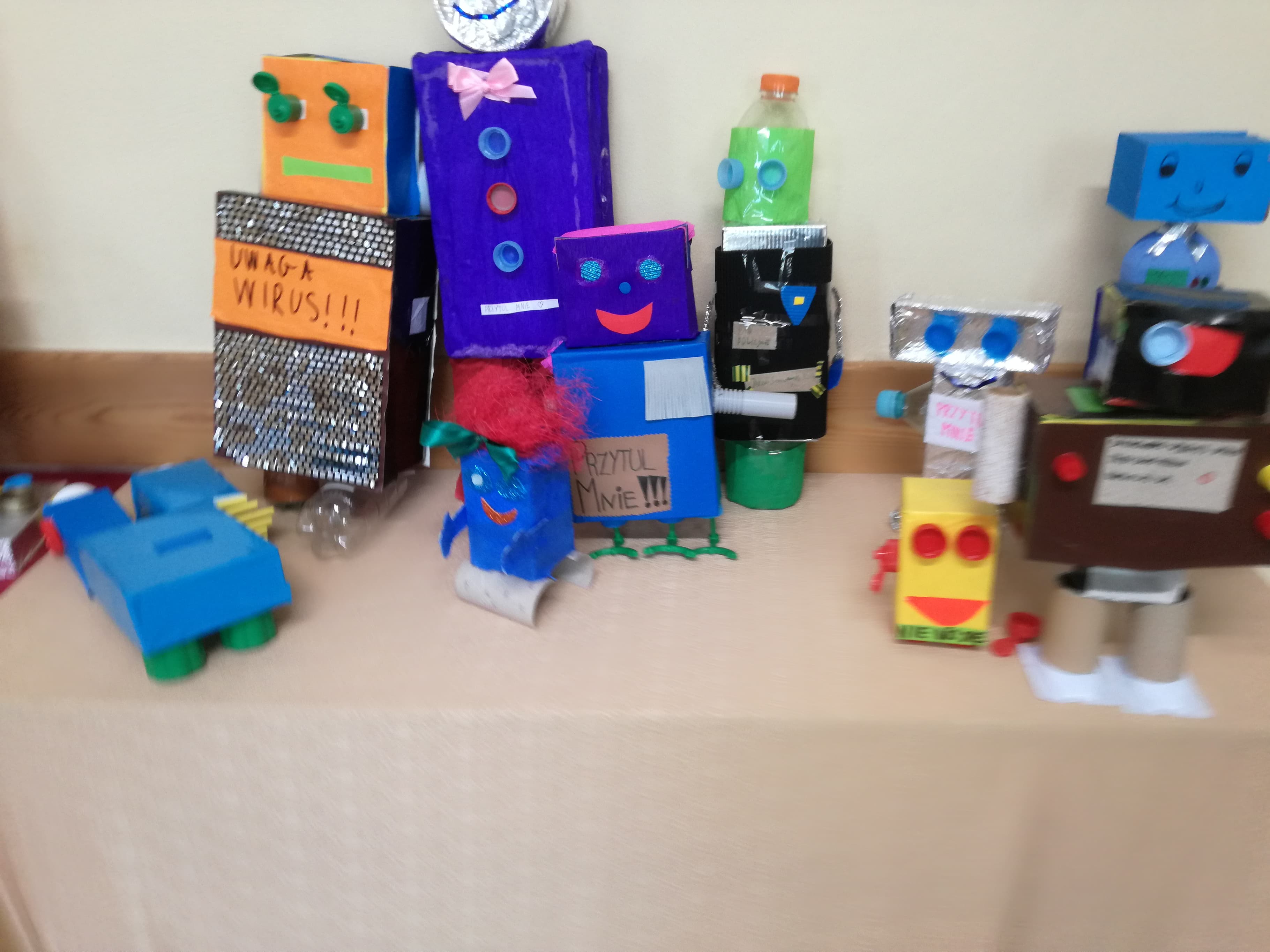
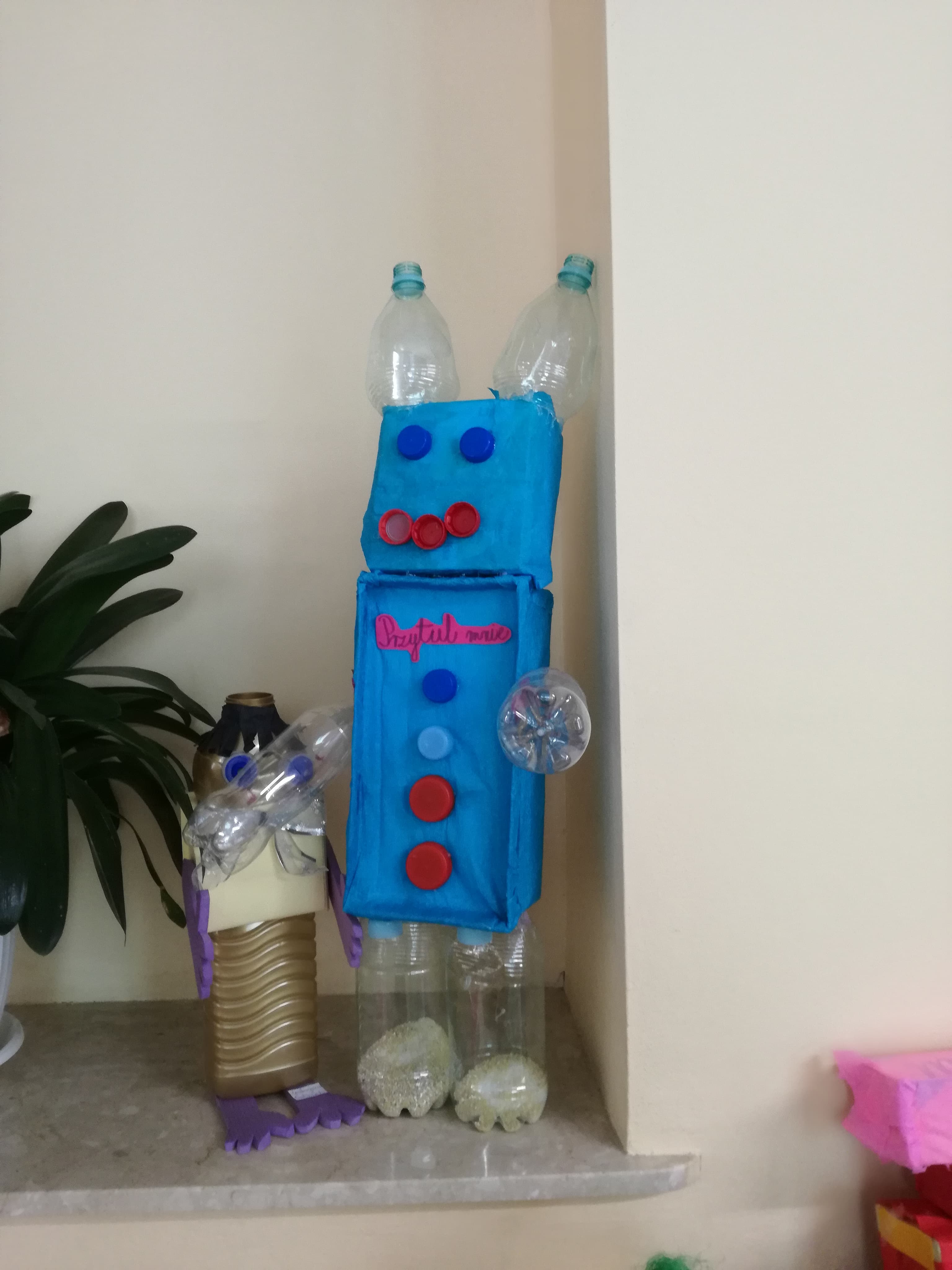
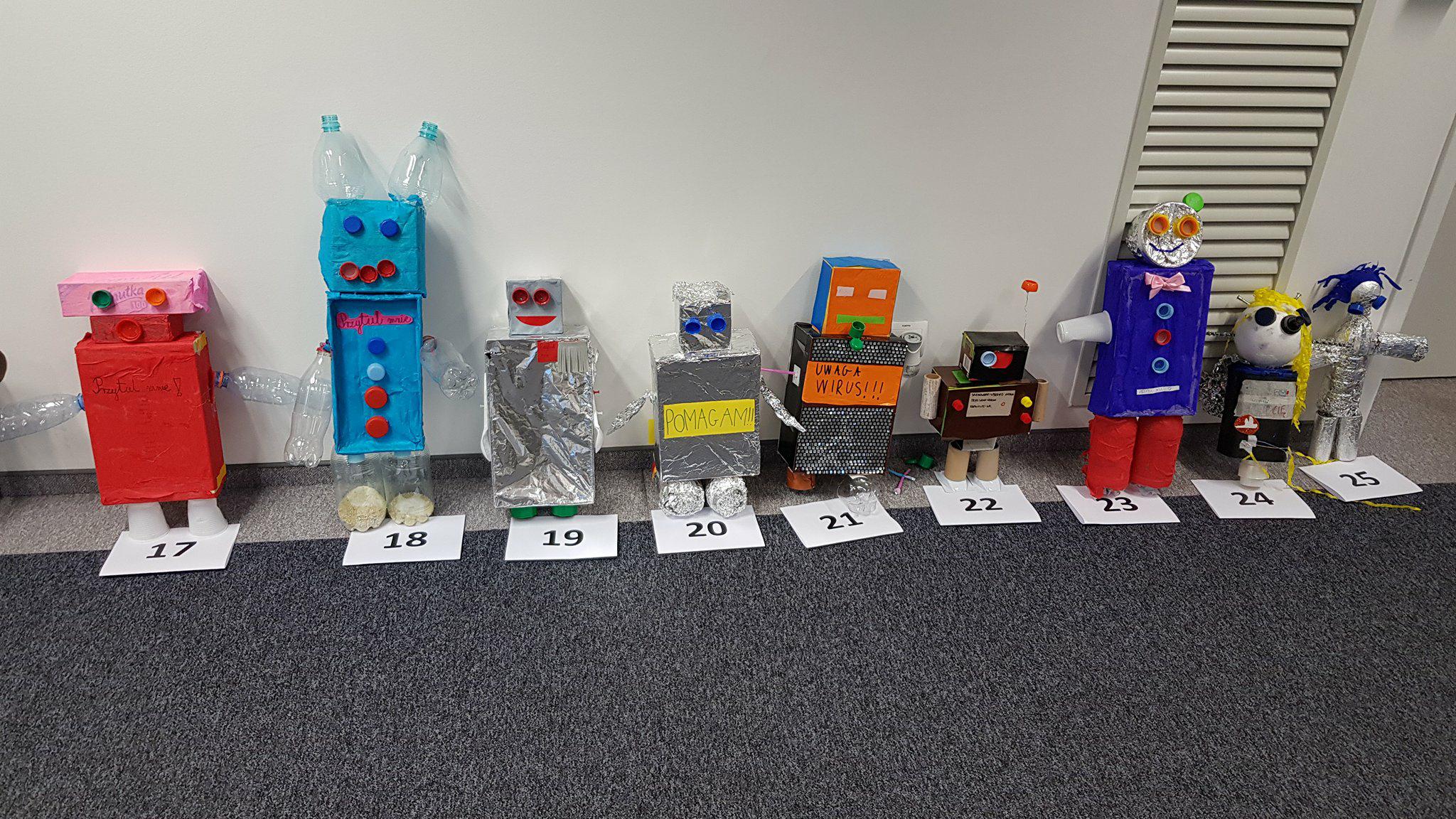
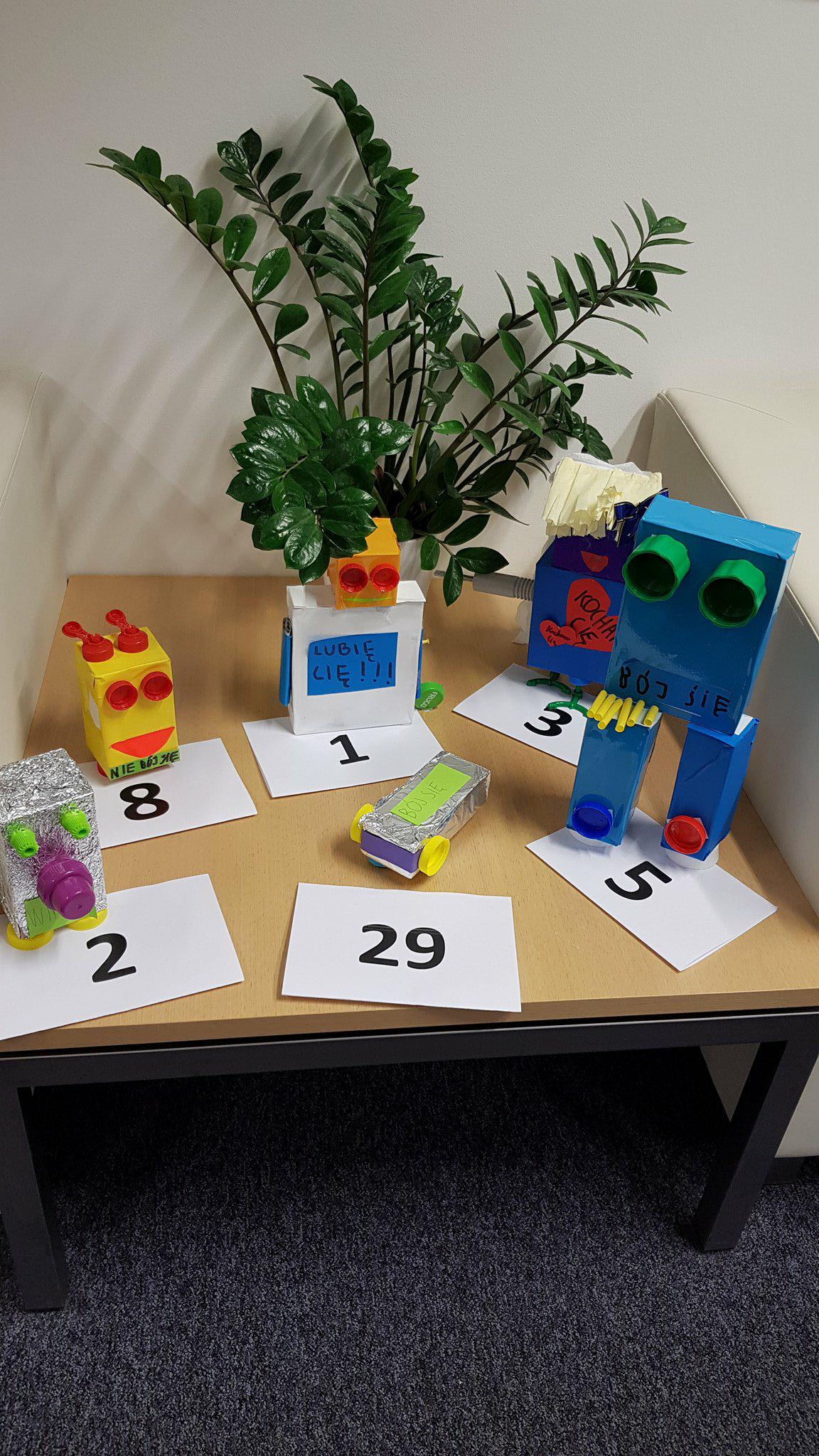
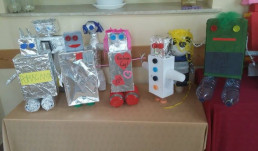
ROBOTS made by students from primary school in Brzóze
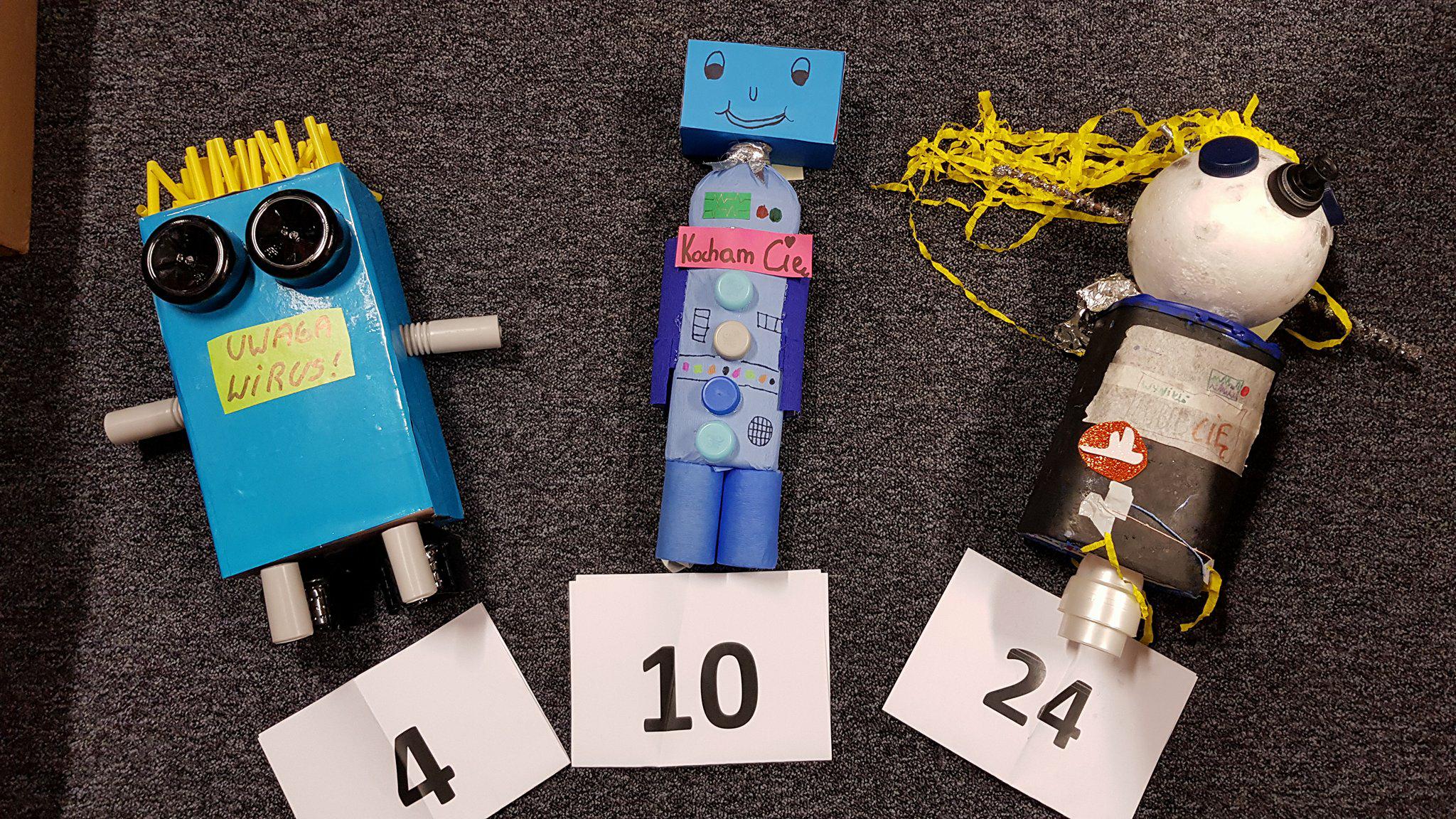
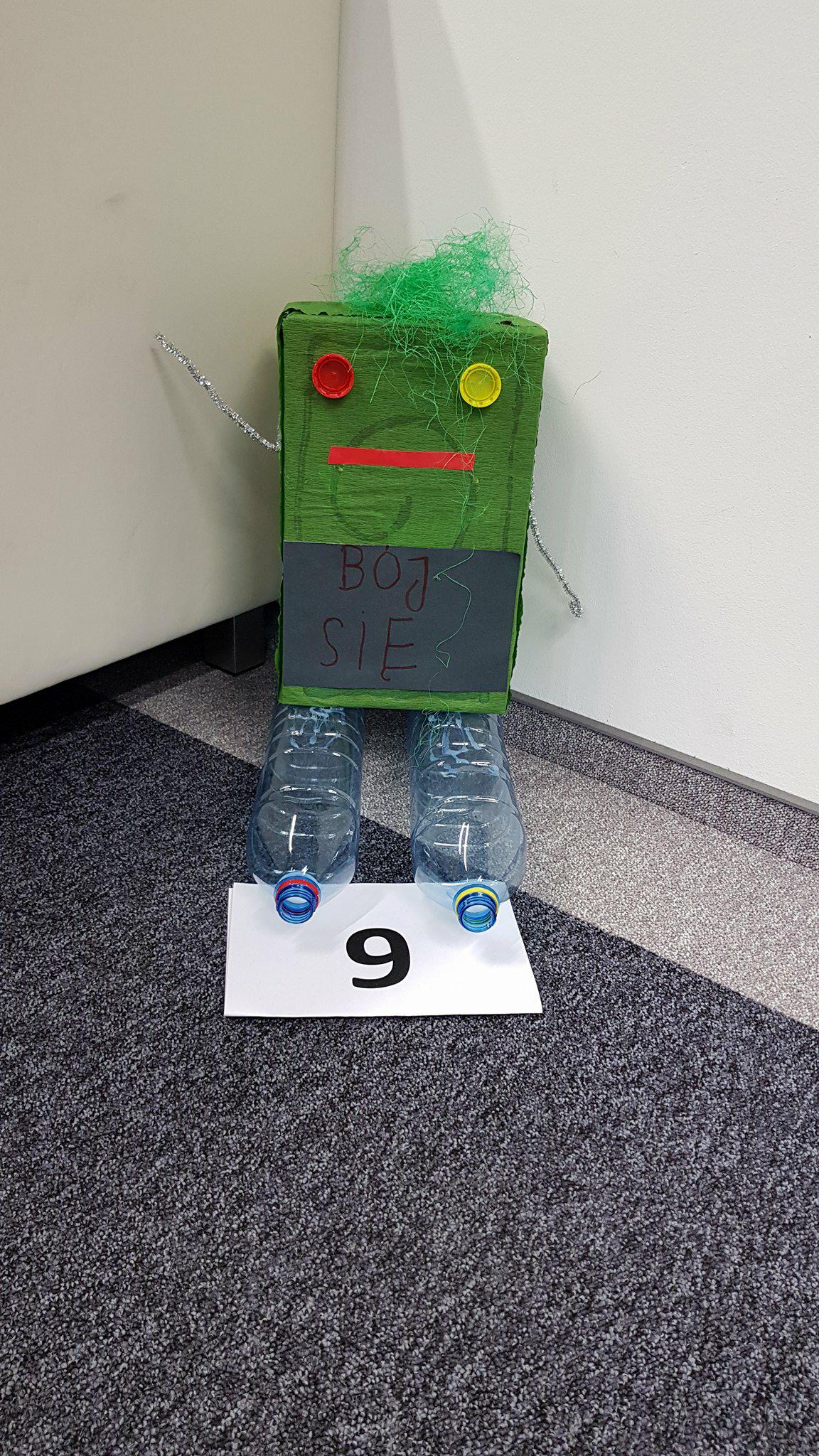
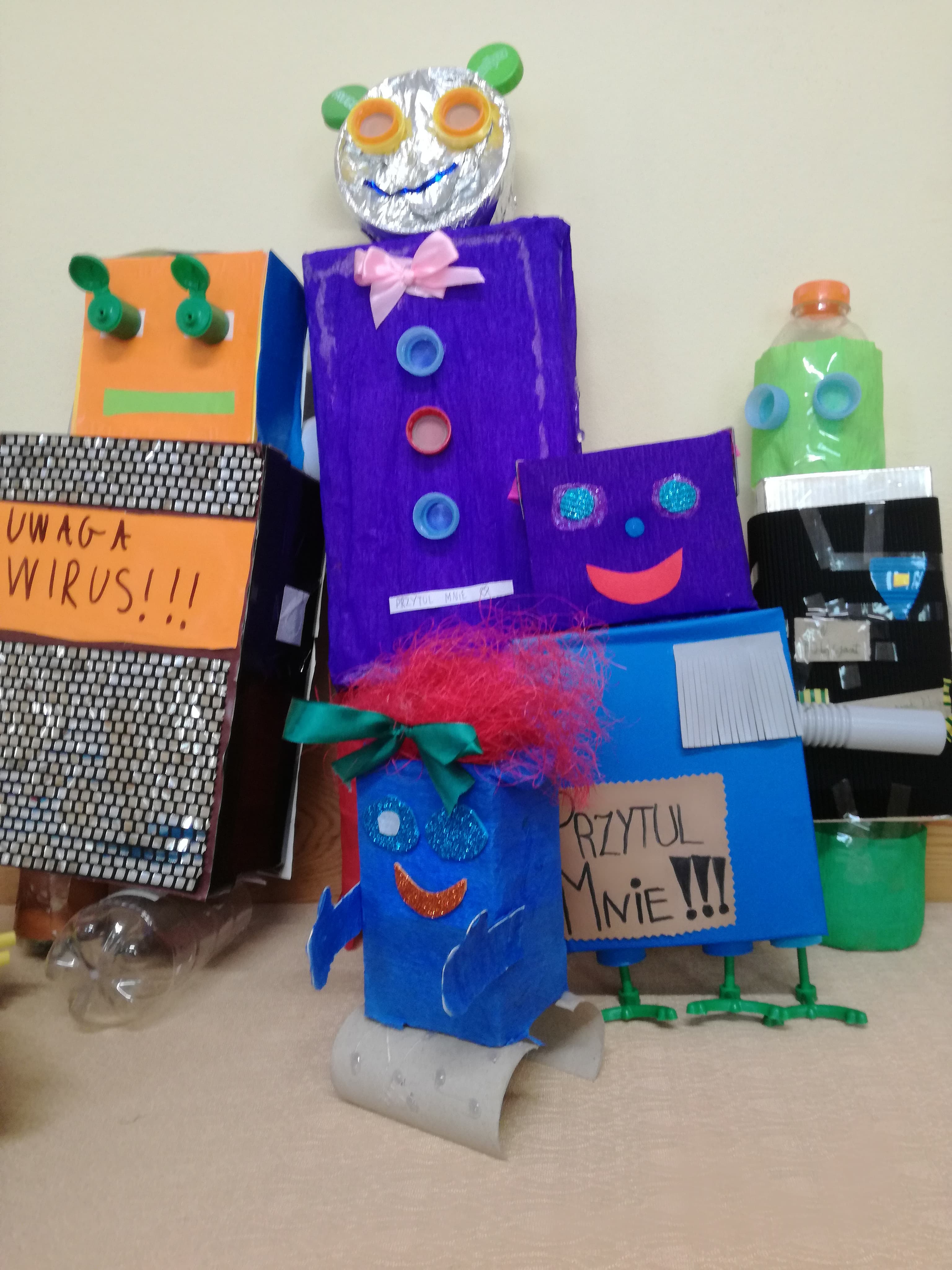
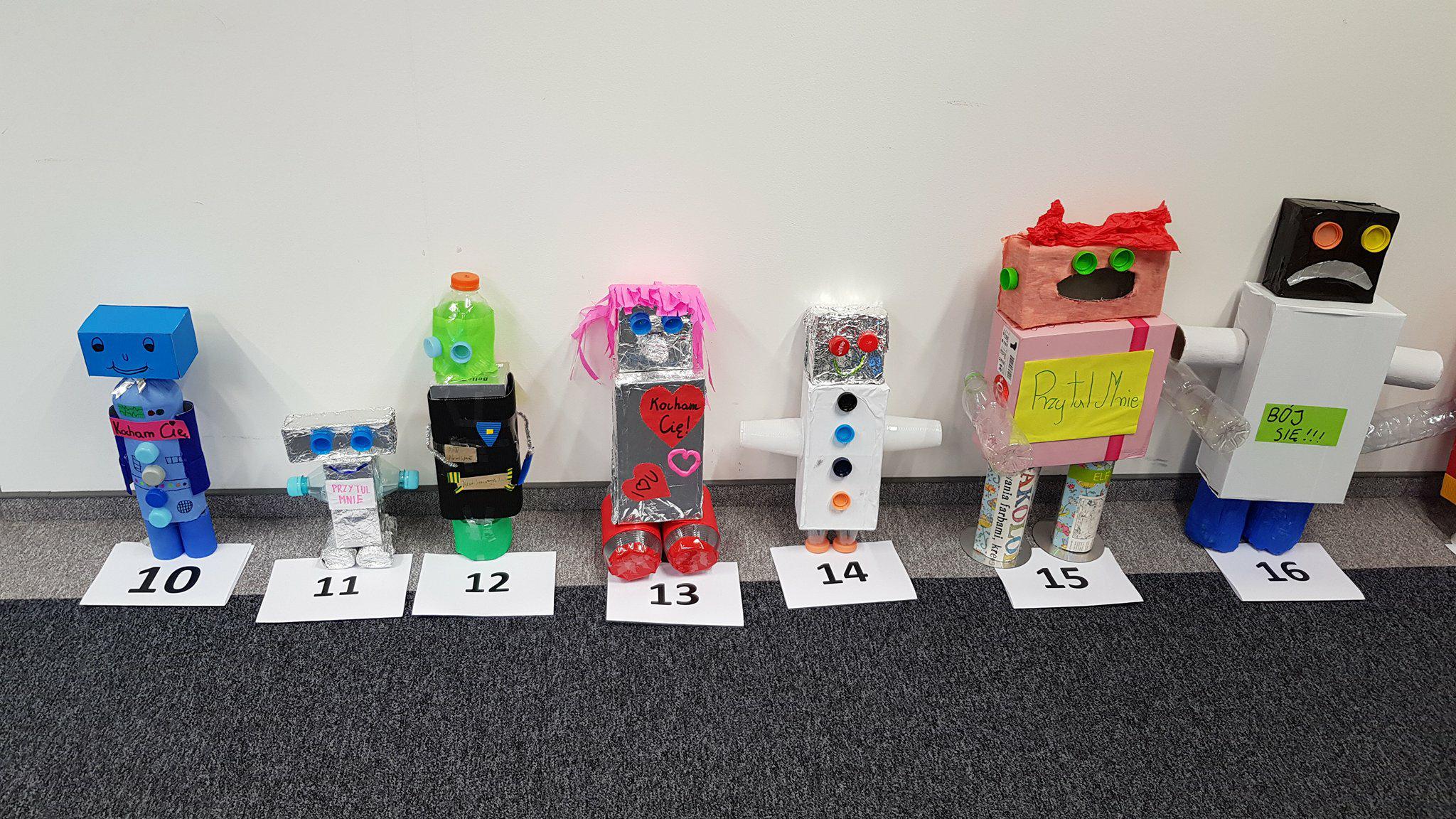
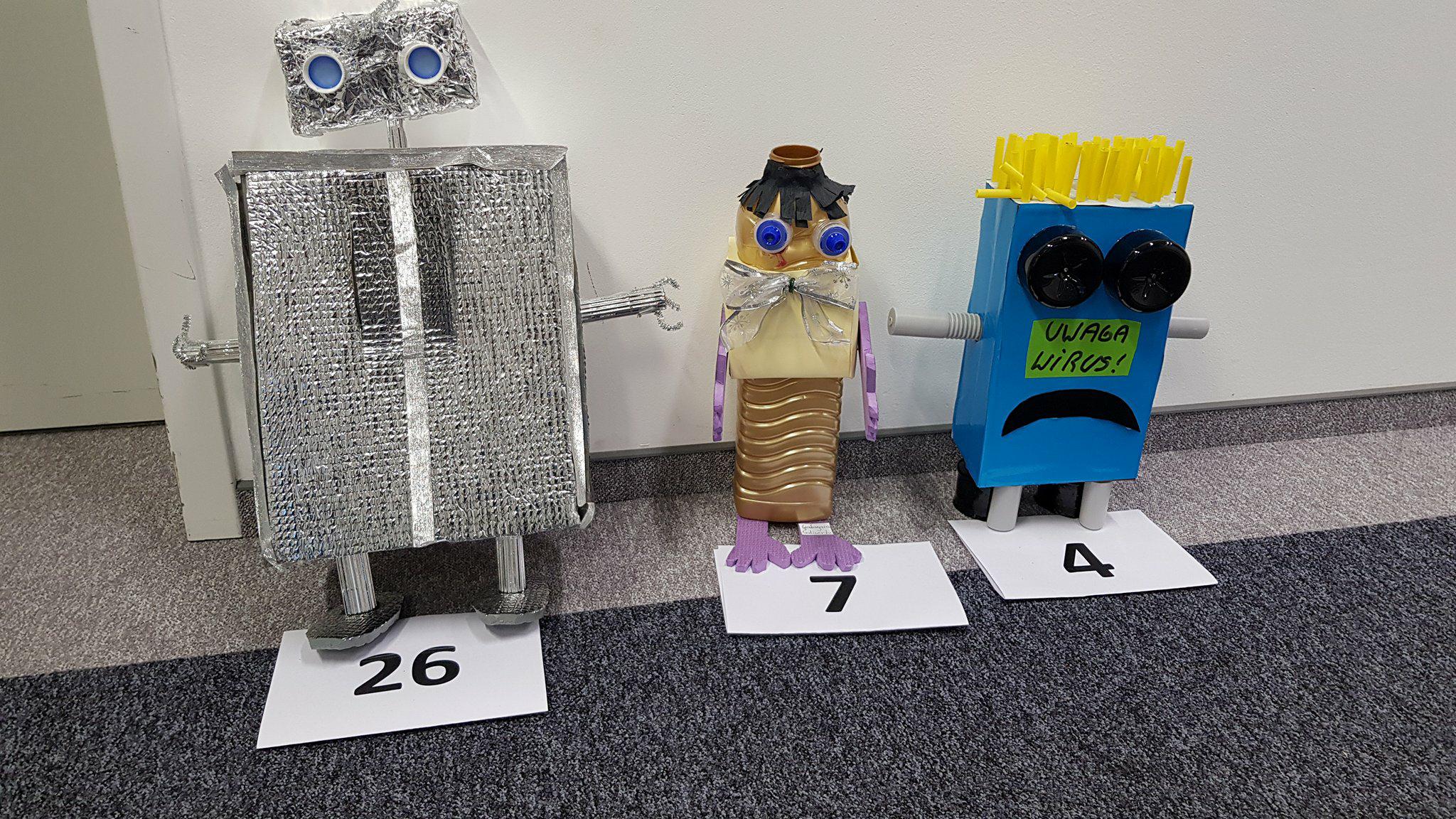
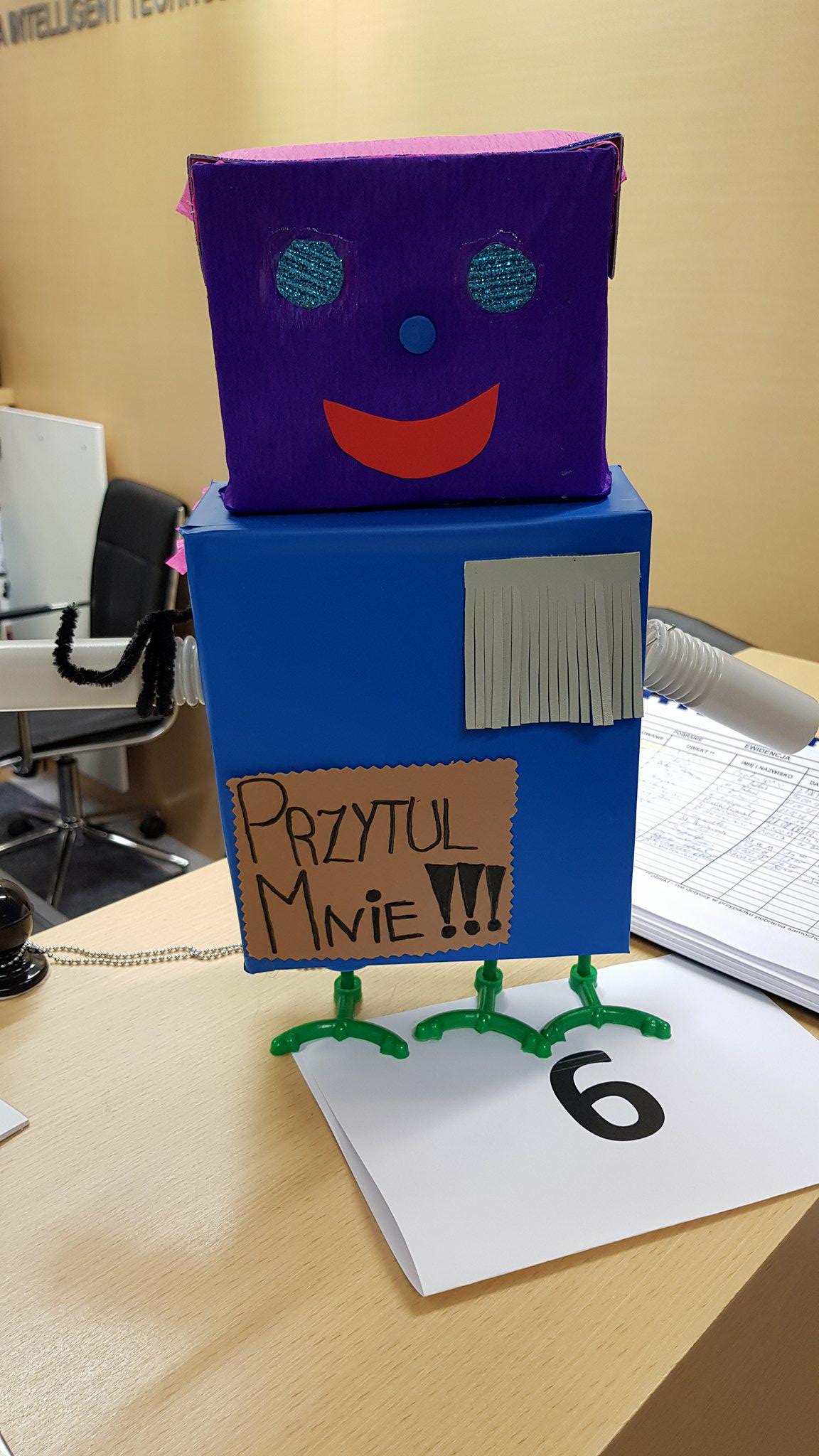
As part of the Safer Internet Day, students from class IV and V made robots. At the beginning, their exhibition took place at school, then the work was brought to our office. We conducted a vote in which employees and the Management Board gave 3 votes for the best robots. We chose the best three:
1st place – Robot No. 4 – Łukasz Laskowski
2nd place – Robot No. 10 – Ala Mirosz
3rd place – Robot no. 24 – Mateusz Soliwoda
The choice was very difficult, congratulations to all students!

Contest "Threats that can meet us in the Internet"
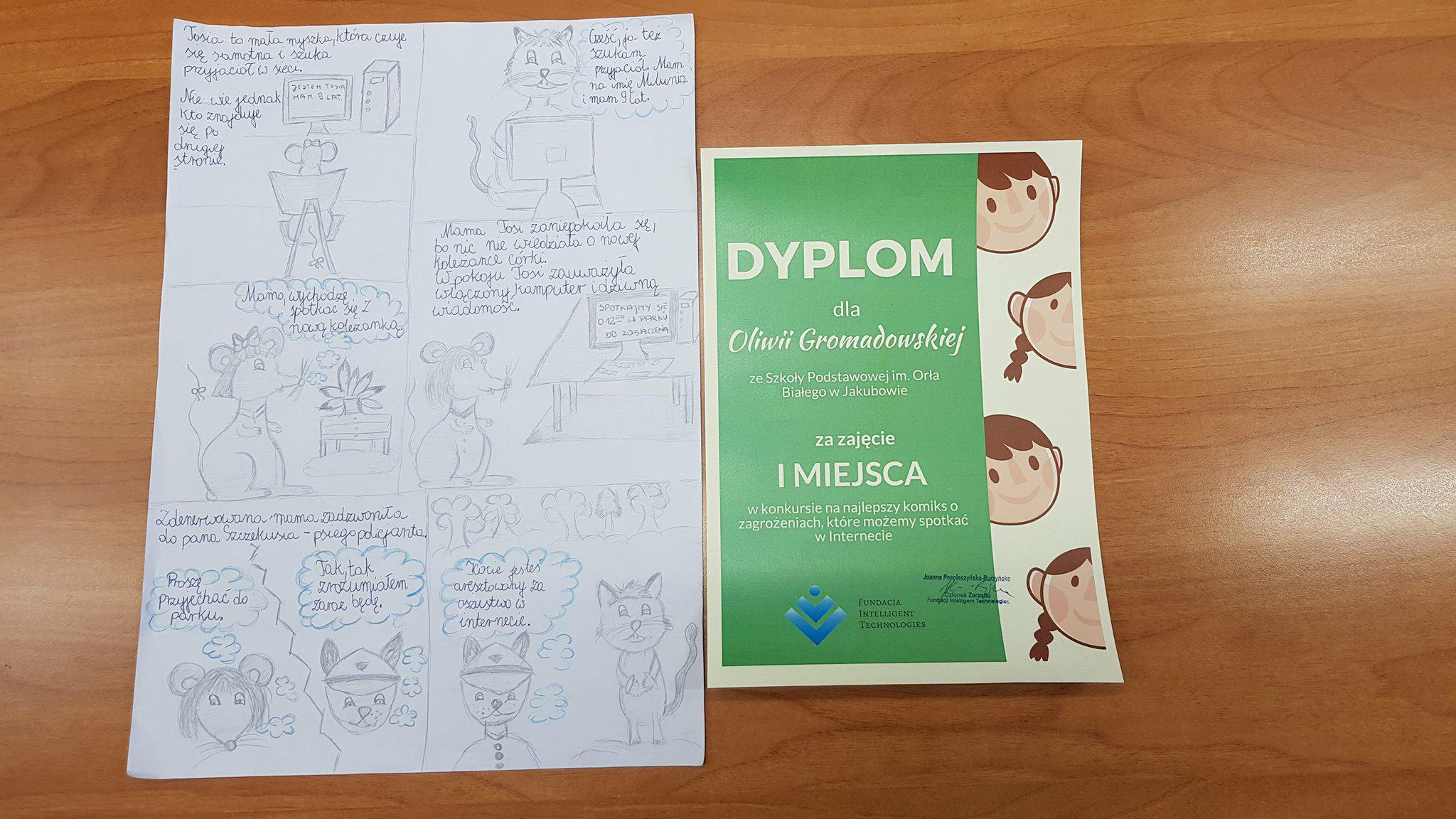
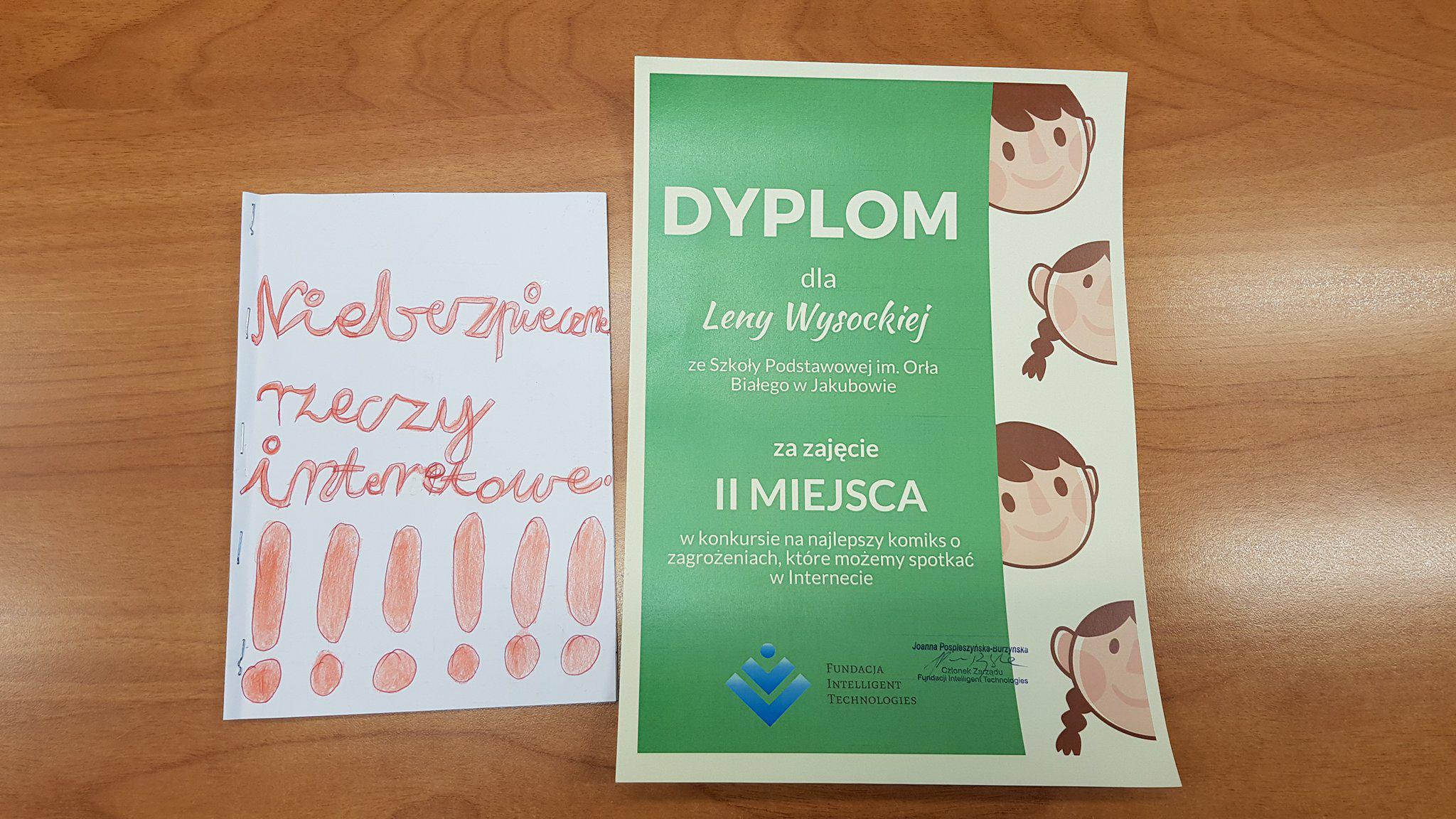
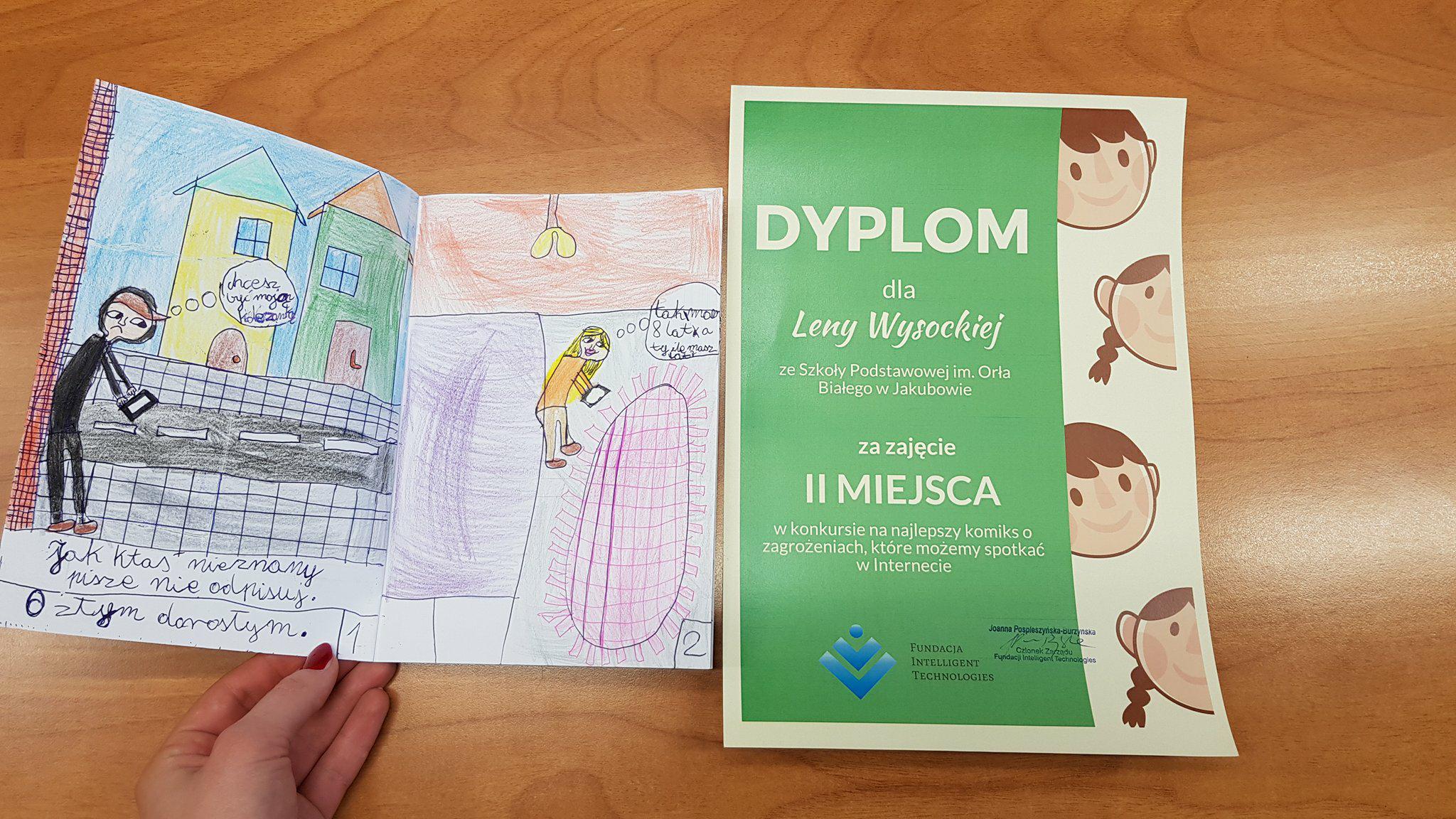
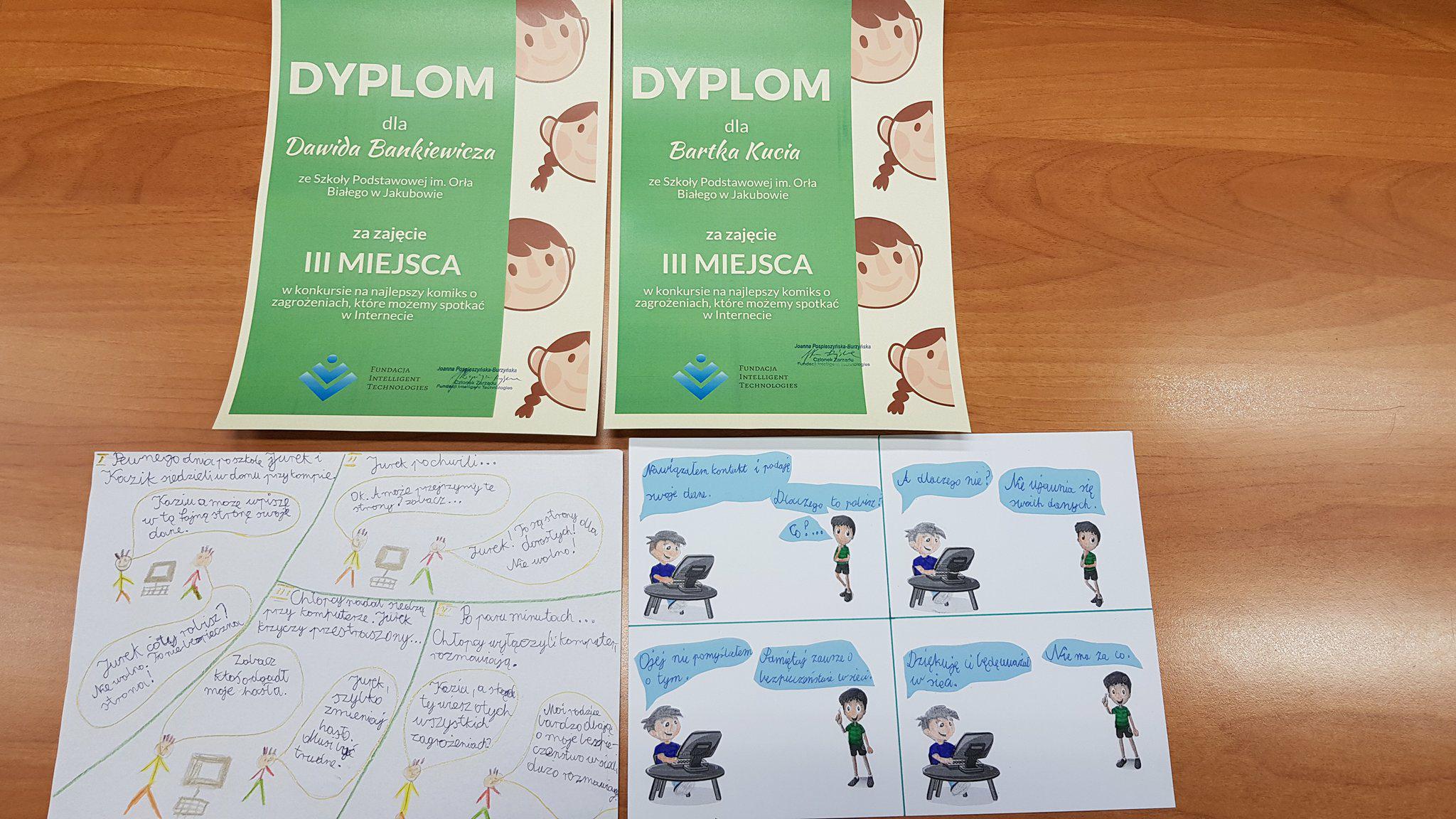
At the Orła Białego Primary School in Jakubów we conducted workshops "Intelligence in the Web". We returned there with a map created by our specialists, in which we have posted a competition entitled "Threats that can happen to us in the Internet." The students created beautiful works during the winter holidays, which our jurors later evaluated. We rewarded all the work, because the level was really high! Congratulations to all students!
I place
II place
III place
6th of February - Safer Internet Day - We create a culture of respect in the web
This is very important day for us. We organized an exhibition of primary school student’s works. These were works of children from primary school in Jakubów who took part in the contest "Threats that can happen to us on the Internet" and were also associated with the workshops "Intelligence in the Web".
Due to the fact that we participate in the SID initiative, we continue cooperation with the Maria Konopnicka Primary School in Brzóze and deepen students' knowledge about the Internet. There was also an exhibition of artwork and robots, handing out our author's posters and cyber-pads, all in connection with the Safer Internet Day - we create a culture of respect in the web. Soon we will return to school in Jakubów and Brzóze to reward students.
{2jtoolbox photogallery id:11}
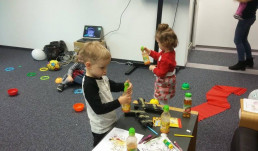
Children’s Christmas meeting
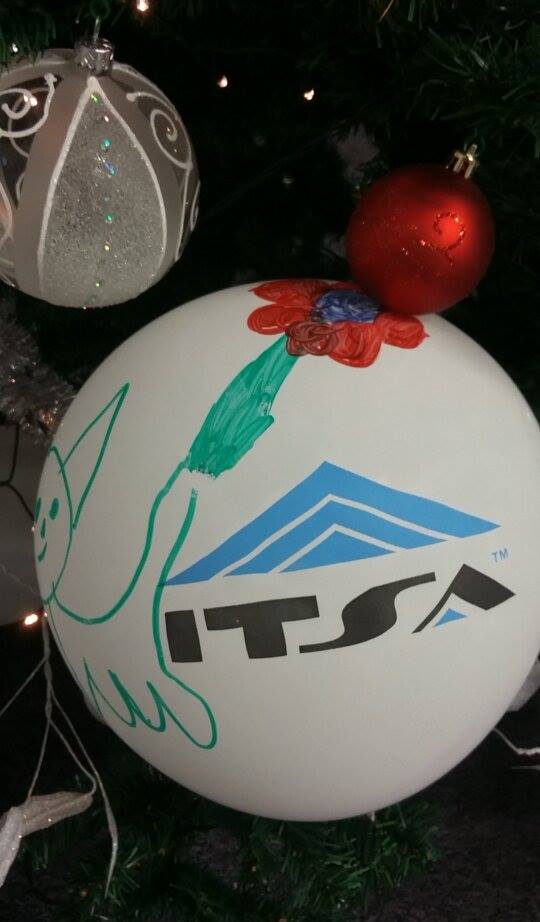
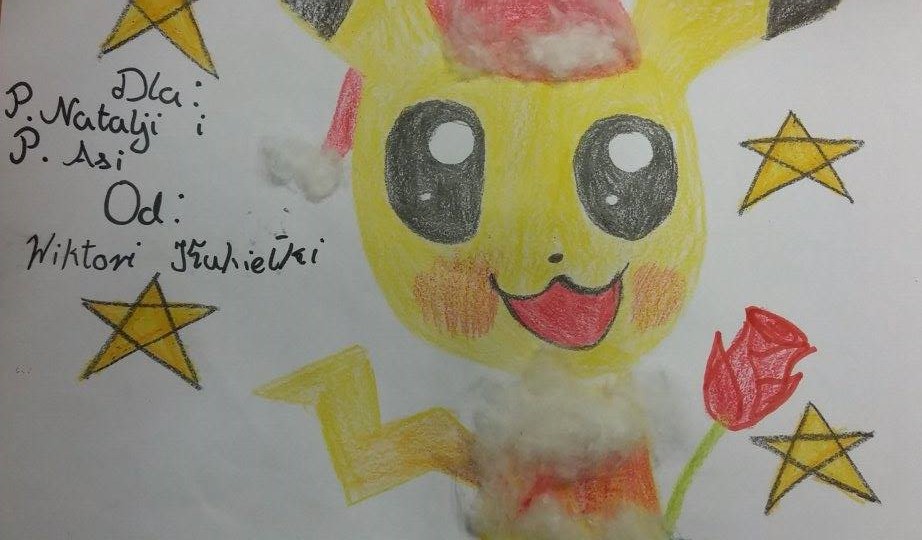
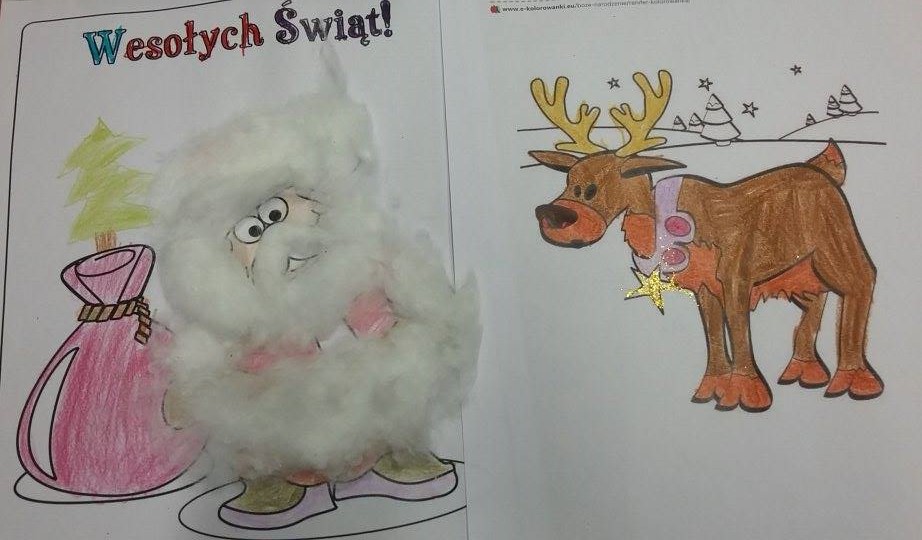
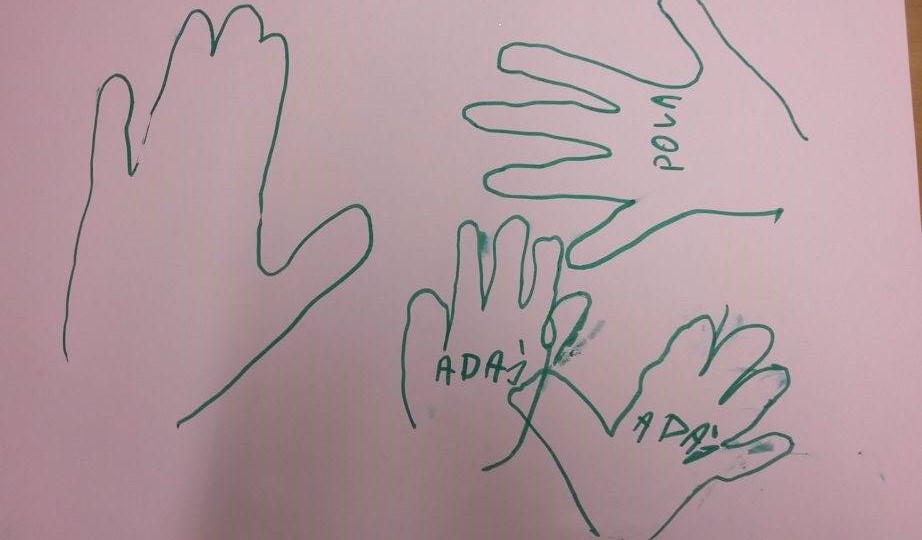
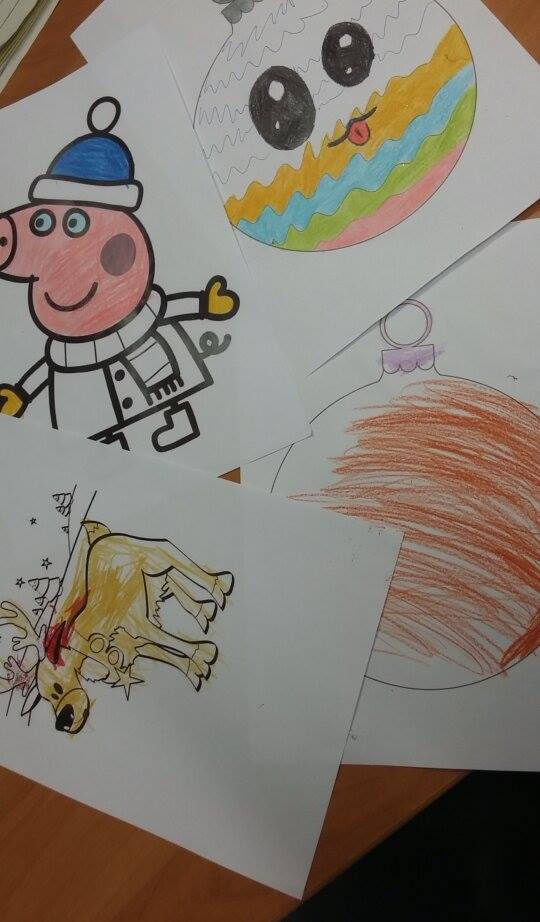
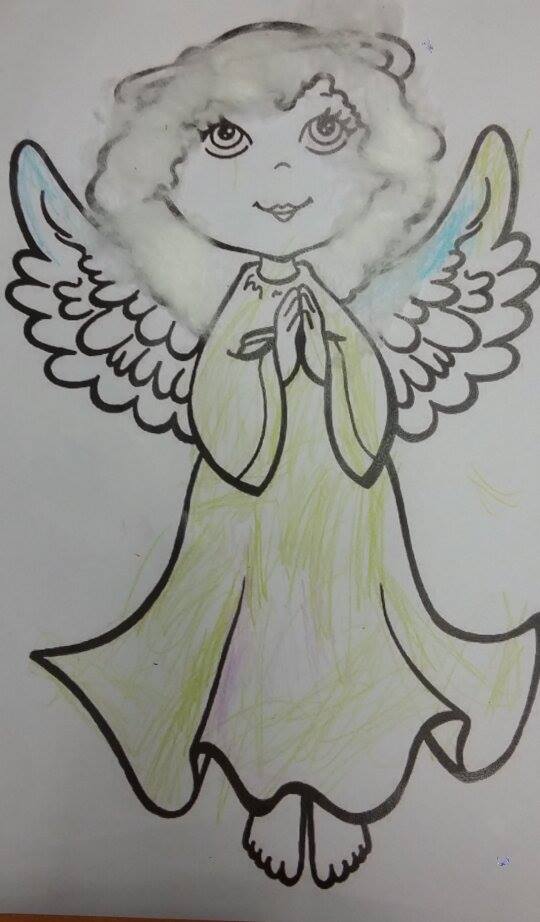
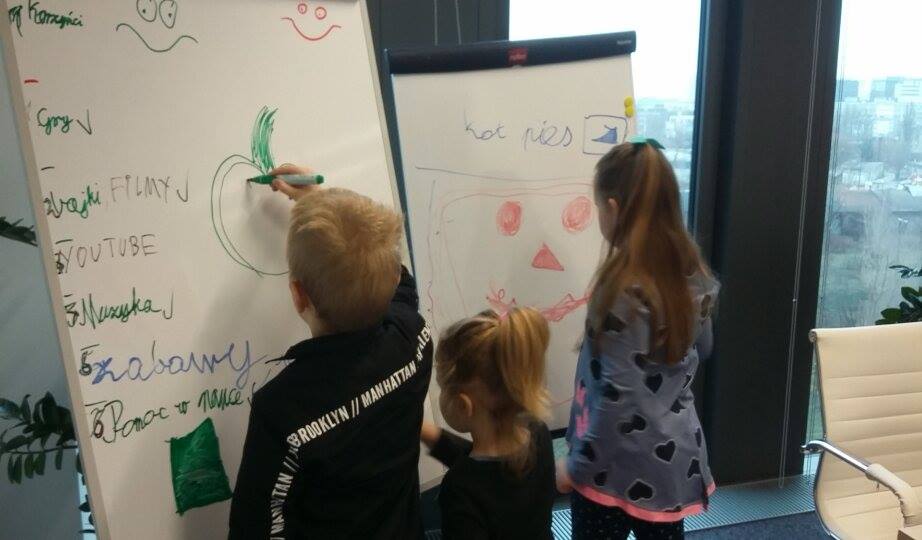
On Friday before Christmas, in the Foundation’s office, we could hear the joy of children who took control for one day – that was their time! The event has been prepared especially for the children of employees. Attractions have been adapted to each age category, toddler zone: 1.5-5 years, children zone: 6-10 years and teenagers 11-17 years. The little ones played with toys, on a tag, drew, made a Christmas chain, watched stories and of course visited working parents.
Older children at the beginning played an integrating game, then there was a lesson “Intelligence in the Web” and watching the film together. An interesting task turned out to be the mission they got to perform. They were divided into groups and drew cards, on which the name of the department or a person from the Board was written. Their task was to find a department or a person and interview them to learn what the departments or people deal with. This task in both children and employees caused a lot of positive emotions.
The oldest age group made interesting photos from which the presentation-pun was made. The task of adults was to guess the presented slogan. The culmination of the event was the arrival of Santa Claus, who gave presents to all good children. We are happy that we could spend this pre-Christmas time together in such a good way. We would like to thank Mrs. Agnieszka Mirosz for dessert.

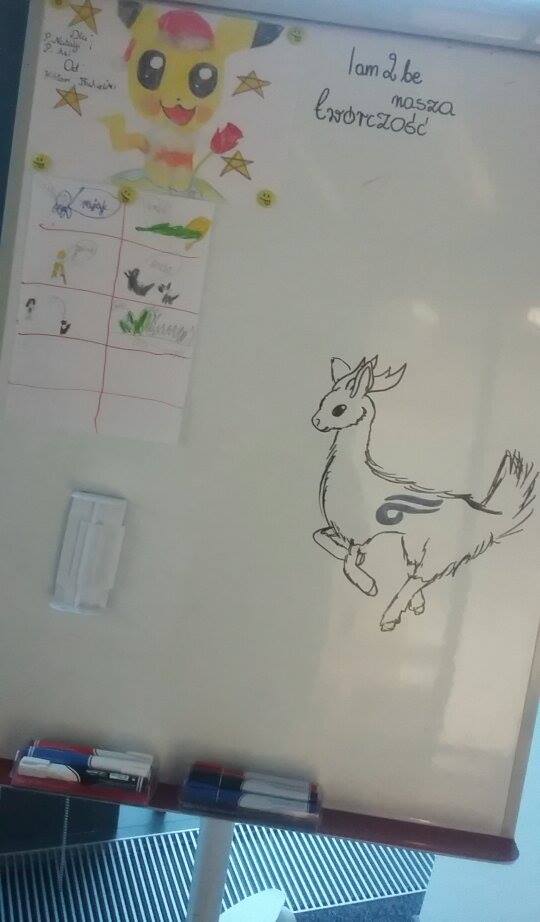
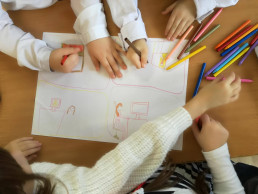
Workshops „Intelligence in the Web”
We invite you to take part in the new project of the Foundation Intelligent Technologies! We run workshops for children aged 7-10 years, during which we teach the youngest users safe use of new technologies. Our specialists come to school and for 45min they run classes "Intelligence in the Web". The workshops are conducted in the form of fun, which allows you to quickly acquire knowledge. Our tools are only pencils and cards. During the classes, we check students' knowledge - usually it is extensive, but not yet well-ordered. The main goal of the lecturers is to present the benefits and threats of new technologies.
What do the classes look like? The leaders start by introducing themselves and telling about what our Foundation deals with, then there is a short chat with children about new technologies. Students often surprise us with the knowledge of various things on the Internet, they ask very interesting questions. The last part is a joint workshop and summary of classes. We are not revealing the details.
After finishing the lessons, the students receive small gifts from us. We also run workshops for parents and the pedagogical board, during which technical and psychological knowledge is transferred. At the meeting, the engineer from the company Intelligent Technologies shows how to secure the computer and its content, and the psychologist from the Foundation tells parents about the addictions of children from the Internet and how to cope in such a situation.
We cordially invite all schools to participate in our workshops. They deepen knowledge and teach you how to safely navigate the web, they are extremely valuable nowadays. Our children spend a lot of time online. We - adults - must show them how to use technological goods responsibly.
{2jtoolbox photogallery id:9}
Today we celebrate FIT second birthday!
We have been carrying out our mission for 2 years, that is, we strive to support children and parents in the conscious use of modern technologies!
This year, the premiere of our Im2be application took place, which we promoted during such events as the Science Picnic, networking meetings IMMOFINANZ and Internet security lessons in Multikino, or in Primary School No. 12. Ignacy Paderewski in Katowice.
On this occasion, we want to thank everyone who supported us (not only financially) during these two years and said that what we do makes sense! We also thank all children and their parents who participated in our events and infect us with their enthusiasm, fantastic ideas and shared extremely valuable advice.
Blowing out the candles on our birthday cake, we wish you 100 (or maybe 200!) years of equally fruitful work!
Don't forget to register on im2be.com!